
3D animation for trade fairs: from CAD to the stand screen
Message, materials and master: prepare a 3D video for your trade fair and plan how to reuse it.
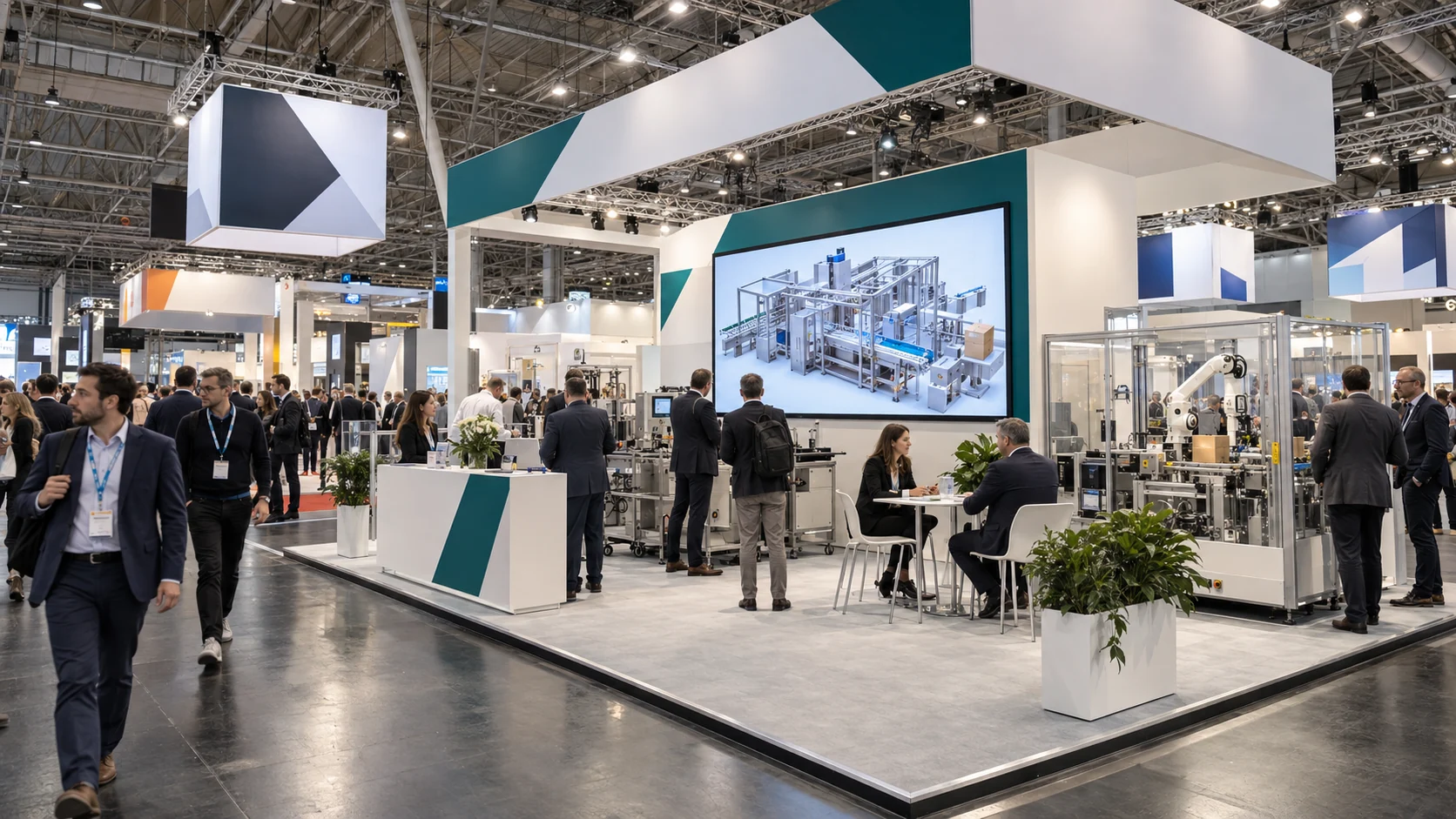
A machine that is too large to transport, an internal mechanism or a product still in development needs a clear way to be shown on a stand. A 3D video can make its operation visible. The project starts with the message and the screen on which people will see it.
How to read the production cost
The Loto price list distinguishes content types: product animation from €500, industrial animation from €600, technical video from €1,500 and advertising from €2,500. These refer to their respective production categories, not a single price for every exhibition video. A specific quote depends on duration, CAD, scenes, finish, languages, masters and adaptations. Hardware, ledwalls and stand construction require separate scope.
A sequence people can understand without sound
Visitors may arrive halfway through a video, view the screen from a distance or follow a conversation while the images play. The storyboard should therefore isolate one idea at a time: what the product does, which process to show and what helps people recognise it. Readable titles, framing and pacing need to be assessed at the scale of the stand. A loop should not rely on voice-over alone to explain the product.
Agree the deliverables before production
| Deliverable | Inputs required | Check |
|---|---|---|
| Stand master | Resolution, aspect ratio, player and audio | Test on the stand contractor’s system |
| Loop | Entry points, duration and repetition | The message works when viewers join halfway through |
| Web and sales extracts | Requested formats, languages and channels | Adaptations included in the scope |
| Possible interactivity | Variants, logic and devices | A separate application, not a simple video export |
Materials to prepare
The brief should identify available CAD or STEP files, photographs, variants, confidential components, the main message, languages and audience. CAD is not automatically an animation-ready asset: geometry, materials and visible detail need review. If the product is still changing, identifying who approves the version to depict helps the team work from the same reference.
Three cases: event video, industry and an interactive catalogue.

Automotive Tech Day
The automotive Tech Day project includes an industrial 3D video for a large screen and continuous looping. The published project identifies Mutares as the direct client: the event name does not imply a direct commission from Stellantis.
Euromecc: plants and processes
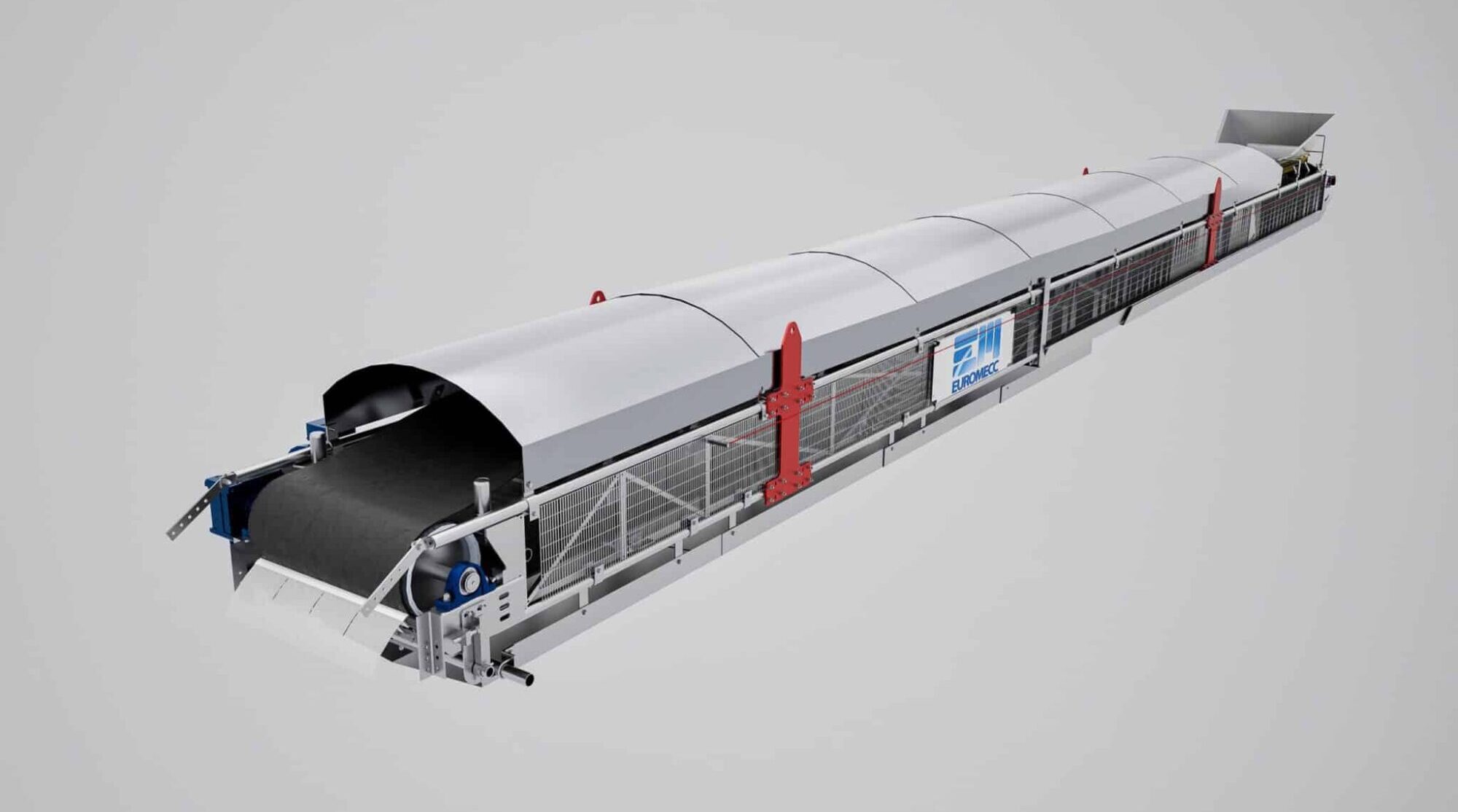
The Euromecc 3D video represents industrial plants and processes. The published project documents content for exhibitions, corporate presentations and digital platforms; no measured sales increase is attributed to it.

Eurofork: interactive choices
Eurofork is an interactive 3D catalogue for kiosks and the web. It illustrates the difference between a video sequence and an application where visitors choose what to explore. It is not the automatic result of converting a film.
Plan backwards from the handover to the stand contractor
For A&T Turin on 10–12 February2027 and MECSPE on 3–5 March2027, the useful delivery date precedes the opening day. Handover and a test on the actual playback system also need time. Work backwards through message approval, storyboard, animatic, production, corrections and the master test. Availability is confirmed after reviewing the brief and materials; the exhibition date alone is not a delivery commitment.
Agree the master before production
Ask the stand contractor for screen resolution and aspect ratio, panel arrangement, playback requirements, audio and player constraints. A ledwall master may need a different composition from a website video. Testing checks framing, text legibility, looping and playback behaviour before the content reaches the stand.
Plan the reuse
The same 3D assets may support a sales presentation, website extracts or an interactive experience. Adaptations need their own scope because duration, format, interface and viewing context change. A planned configurator also needs real-time geometry, variants and selection logic. A video does not become an interactive application through a simple export.
LET’S TALK ABOUT YOUR PROJECT
Which product will you present at the fair?
Bring the event date, product, available CAD and screen specifications. We can define the message, content and handover to the stand contractor.
AN INITIAL DISCUSSION
Goals and materials before production.
We start with what you want to achieve, the available materials and your timeline to define the next steps together.
REQUEST AN INITIAL DISCUSSION
Tell us about your project.
The fields below are optional and help us tailor our first response.
Questions about a 3D video for your stand
What does a 3D animation for a trade fair cost?
Cost depends on the required content. The price list distinguishes product animation from €500, industrial animation from €600, technical video from €1,500 and advertising from €2,500. These are starting prices for the respective categories; the exhibition scope needs a specific quote with hardware and construction separated.
Which materials are required?
Available CAD or STEP, photos, variants, confidential parts, the key message, languages and screen specifications help assess production.
When should we order the video?
Plan backwards from handover to the stand contractor and the master test before opening. Availability and schedule are confirmed after reviewing the brief and materials.
Can people understand it without sound?
Storyboard, titles and framing can be designed to communicate the message without audio and while the video loops.
Can we reuse it afterwards?
Website, presentation and sales extracts can be agreed. Duration, aspect ratio and languages of the adaptations need their own scope.
Can the video become a configurator?
A configurator needs real-time geometry, variants and interaction logic. It does not result from a simple video export.
Sources and scope
Organiser schedules checked on 28 October 2026: A&T Turin 10–12 February 2027 and MECSPE 3–5 March 2027. No attendance, leads or return are promised. Production guidance is Loto analysis; the three cases refer to their respective published projects.
KEEP EXPLORING
From the video to the right solution.
SERVICE
Trade fair 3D video
SERVICE
3D animation
SERVICE