VR FOR EVENTS AND TRADE SHOWS
VR experiences designed for the real pace of a stand.
Virtual reality for events and trade shows lets visitors and customers experience a product, environment or scenario through a headset, even when physically bringing what you want to show is impractical.
We design bespoke experiences for stands, conventions, product launches and corporate activations, defining content, interactions and technical requirements according to the space and how the experience will be used. This is a specialisation of our Virtual Reality.
The visitor needs to enter the experience
VR is suitable for exploring an environment, understanding a complex product, simulating a situation or experiencing a first-person story.
The experience needs to be shared
For large LED surfaces, anamorphic content or shared installations without headsets, our Immersive Events and Installations service is more suitable.
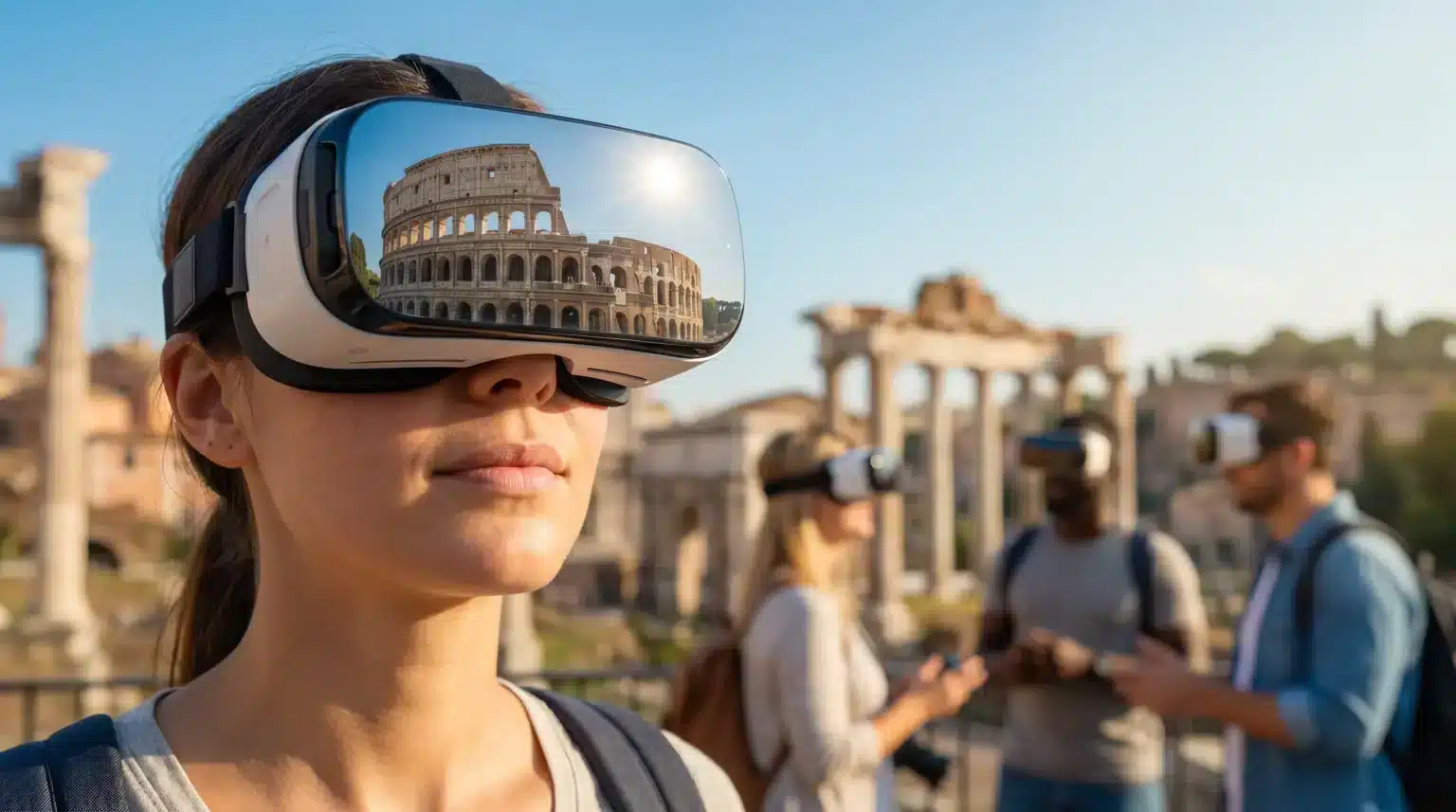
FORMATS AND USE CASES
What a VR experience can do during an event.
Choose the format according to the objective and visitor flow, rather than simply because a headset is available at the stand.
Product demonstrations
Machinery, vehicles and systems that are difficult to transport or show at full scale.
Immersive showroom
Virtual environments for exploring variants, spaces, layouts and brand content.
Launches and storytelling
Guided journeys presenting a concept, a product that is not yet available or a brand story.
Gamification
Interactive mechanics and short objectives when gameplay supports the message.
Cultural experiences
Reconstructions and journeys for exhibitions, museums, tourism and temporary displays.
Guided sessions
An operator manages onboarding, duration and the handover between visitors.
The agreed delivery includes the VR application, content and interactions optimised for the selected devices, visitor-flow testing and start-up instructions. Headset quantities, on-site assistance, updates and offline use are defined in the quote.
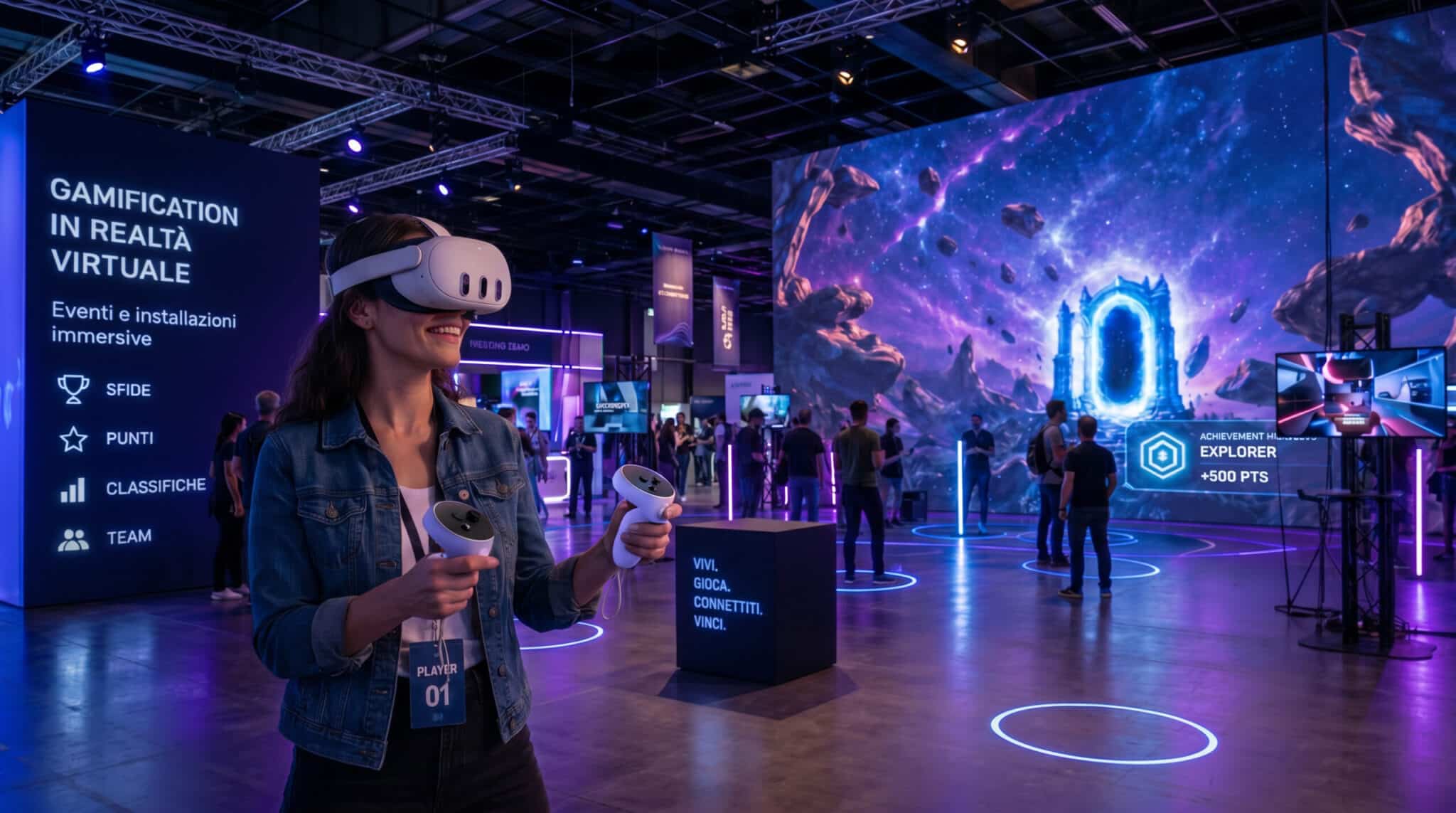
DESIGNING FOR REAL CONDITIONS
Standalone, PCVR or a shared installation?
At an event, hardware choices affect visual quality, freedom of movement, cabling and session management. Standalone reduces workstations and cables; PCVR is useful when complexity requires more power. If the goal is to involve many people at once without headsets, the solution falls outside the scope of VR.
VIEW ROME VR EXPERIENCETHE PROCESS
From the stand objective to the VR session.
We design both what happens inside the headset and how the experience is started and repeated throughout the event.
Objective and audience
Message, visitor, duration and the role of VR at the stand.
Session and interactions
Onboarding, navigation, interactions and conclusion.
Assets and environment
Required models, environments, UI, audio and content.
Development and optimisation
Building for the target hardware and optimising performance.
Testing and delivery
Checking the build, device and user flow before public use.
Space, objectives, duration and available materials help us choose the right format and hardware.
REAL PROJECTS
VR experiences developed for public use.
Real projects, keeping exhibition settings distinct from commercial trade shows.
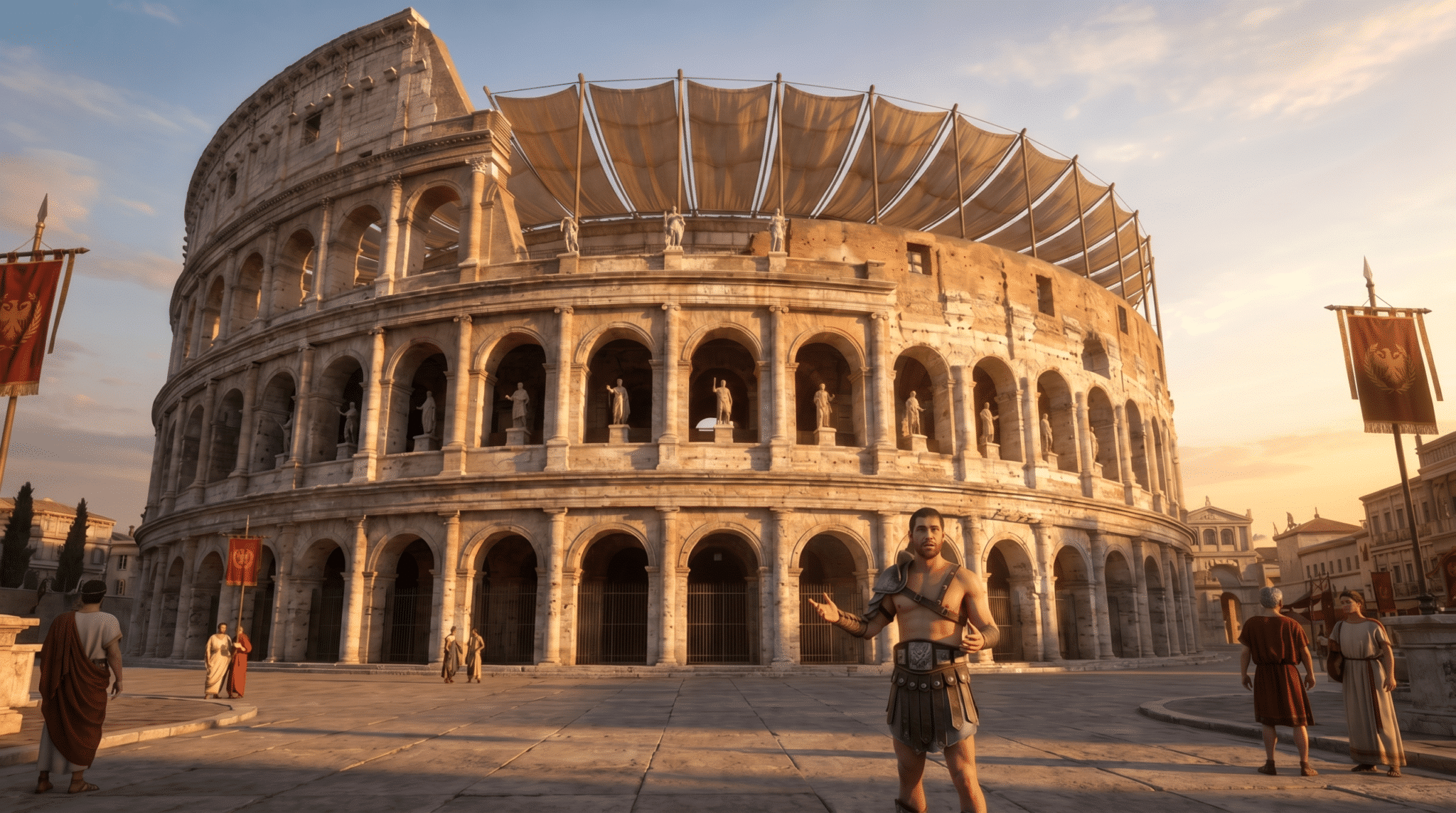
ROME VR · STANDALONE
VR optimised for standalone headsets
An immersive tour with 3D reconstructions, navigation and multilingual virtual guides, developed for standalone headsets.
VIEW THE PROJECT →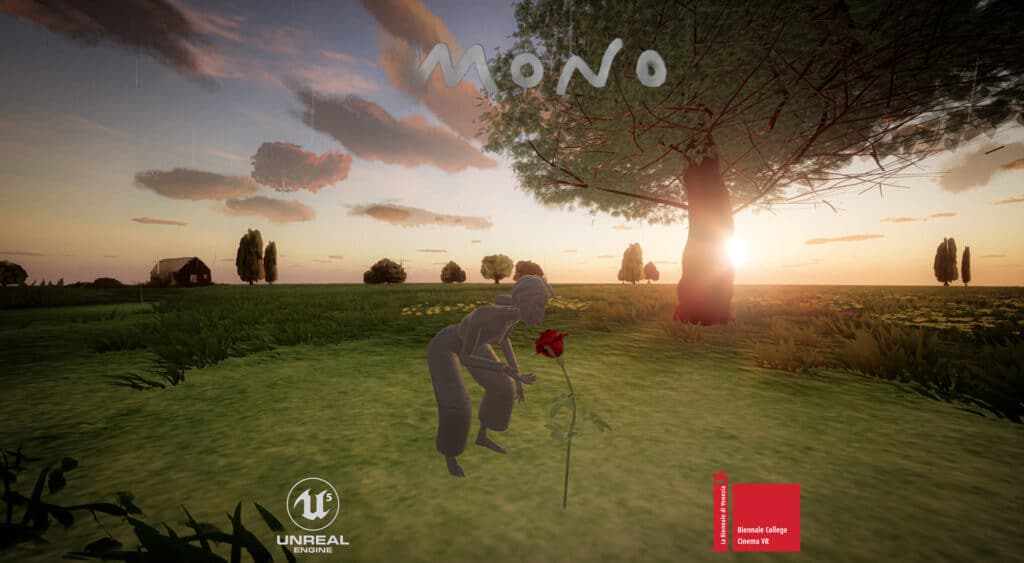
MONO · VENICE BIENNALE
VR in an exhibition setting
An interactive virtual reality short film presented at the 2022 Venice Biennale.
VIEW THE PROJECT →CHOOSE THE RIGHT SOLUTION
VR, an immersive installation or an interactive experience?
FAQ
Questions about virtual reality for events and trade shows.
How many headsets does a stand need?
It depends on expected visitor numbers, average session duration and queue management. The number of devices should reflect actual visitor flow.
Is standalone or PCVR better?
Standalone simplifies cabling and installation; PCVR provides more power but requires workstations and additional technical management.
How long should a trade show VR experience last?
There is no universal duration. In high-traffic settings, a focused, repeatable session is advisable.
Can we start with our CAD files or 3D models?
Yes, following a technical review. Design models often need cleaning and optimisation for real-time use.
Is VR suitable for many people at once?
Not always. For a shared experience, an immersive installation or an application without headsets may be more effective.
LET’S TALK ABOUT THE EVENT
Planning a VR experience for a stand or trade show?
Describe your objective, audience, space and expected duration. If you have CAD files or 3D models, we can check what can be reused.
Tell us about the project.
Describe what the visitor should experience and the inputs already available.