MEDICAL 3D ANIMATION
Making anatomy, devices and processes visible where footage cannot explain them.
Medical 3D animation turns anatomical references, product data, CAD and approved medical and scientific materials into visual sequences for healthcare, MedTech, training and communication.
Loto Studios handles visual production: storyboards, asset preparation, animation, rendering and post-production. Scientific or regulatory validation remains the responsibility of the project’s qualified specialists; sensitive steps are built around approved sources and reviews.
When movement and detail carry information
To show anatomy, how a device works, a procedure, a sequence or a biological process that would be difficult to film or understand through still images.
When footage is sufficient or the source still needs validation
If the phenomenon can already be filmed clearly, or the scientific content is not yet defined and ready for approval, settle the message first and then choose the format.
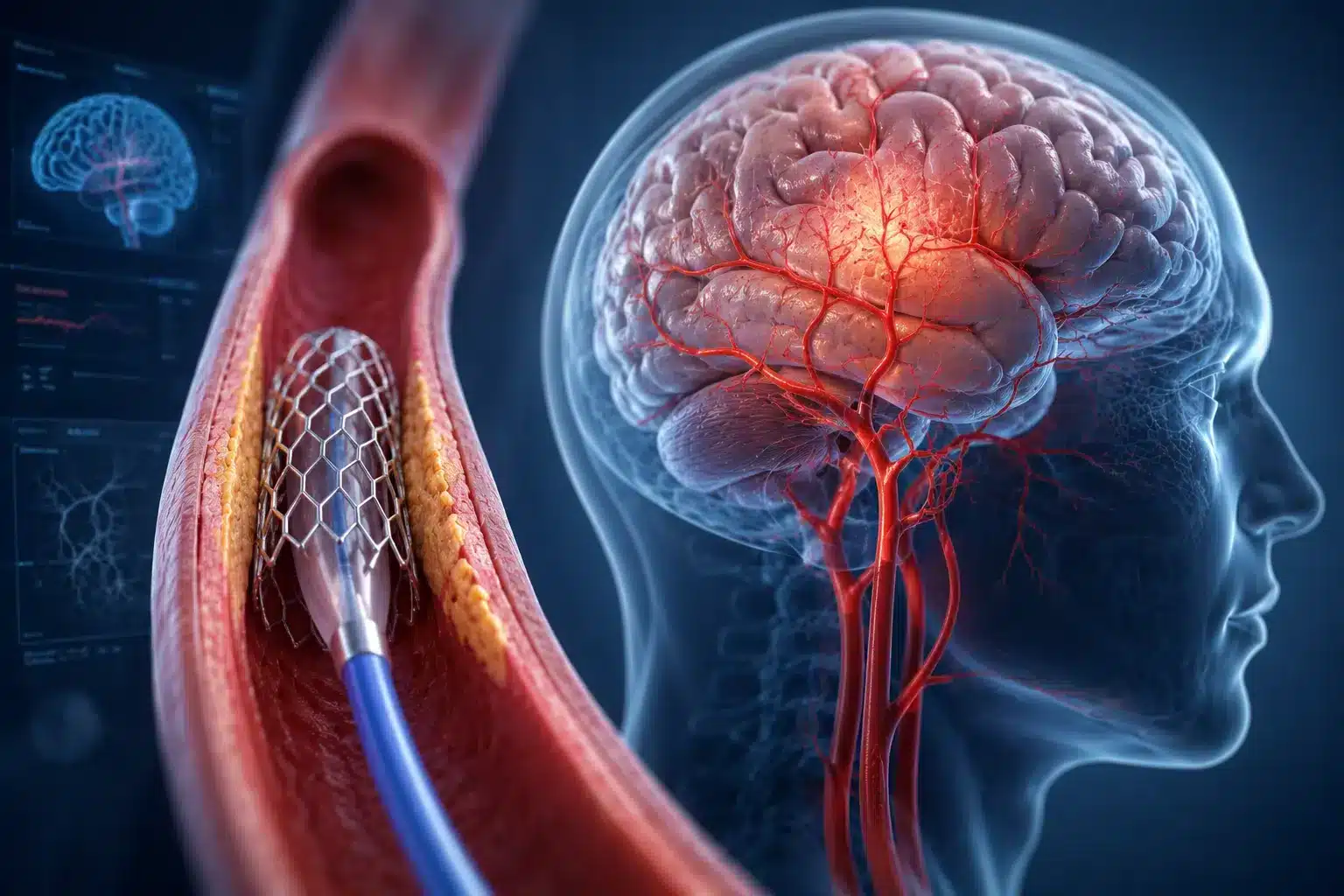
WHAT WE CAN VISUALISE
Six typical applications of 3D animation in healthcare.
The content format changes with the audience and objective: the aim is to make the subject clear, rather than add spectacle.
Medical devices
Sequences from CAD or 3D models showing components, assembly, insertion, opening, movement and operating principles.
Anatomy and physiology
Three-dimensional visualisations of organs, structures and anatomical relationships based on references approved for the project.
Procedures and operating sequences
Step-by-step storyboards and animation when order, viewpoint and timing help explain a procedure.
Biological processes and mechanisms
Visual representations of processes that cannot be observed directly, without replacing medical and scientific validation of the sources.
Training and communication
Masters and adaptations for presentations, training, e-learning, websites, educational content and materials for different audiences.
Conferences and product launches
Visual sequences for screens, presentations and launch materials when the content also needs to work outside a lengthy technical explanation.
PROCESS
Approve what to show first. Then invest in final rendering.
In healthcare, scientific, narrative and visual decisions should be separated. Storyboards and animatics help correct the content while changes are still inexpensive.
Brief and audience
We define what needs to be understood, by whom and on which channel the content will appear.
Sources and references
We collect the CAD, drawings, text, images and approved materials that will guide the representation.
Storyboard
We establish scenes, steps, callouts and sequence before moving into full production.
Animatic and review
Camera, timing and movements are checked in a preview before final rendering.
Rendering and delivery
We complete materials, lighting, compositing, editing and the agreed final adaptations.
VISUAL APPROACHES
The level of detail changes with what needs explaining.
These visuals show types of representation already in the Loto Studios library. They are not presented as clinical case studies: they illustrate the visual material that can form part of a medical production.
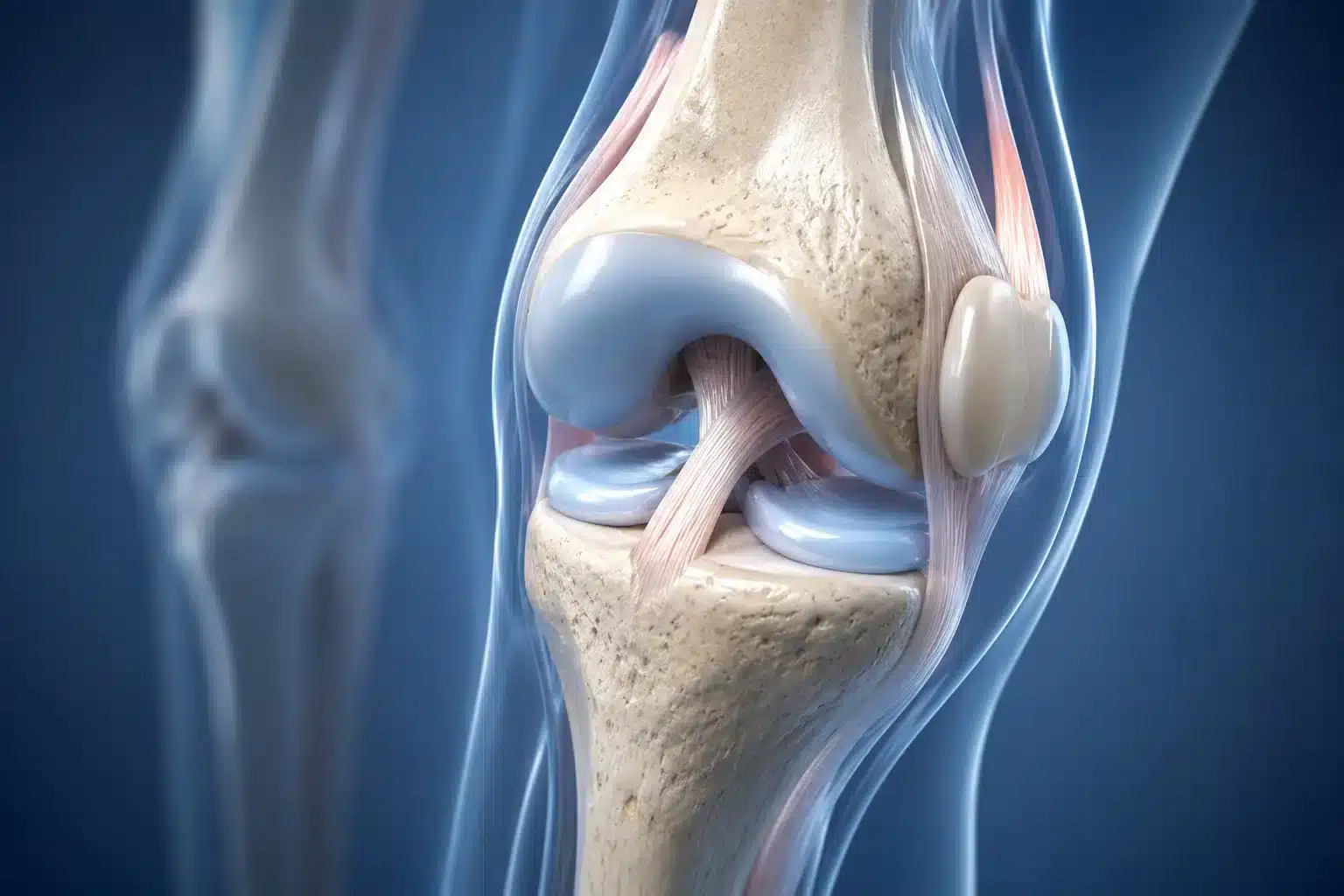
DEVICES / PROCESSES
Operation and sequence
When the value lies in showing components, steps or phenomena that are difficult to film.
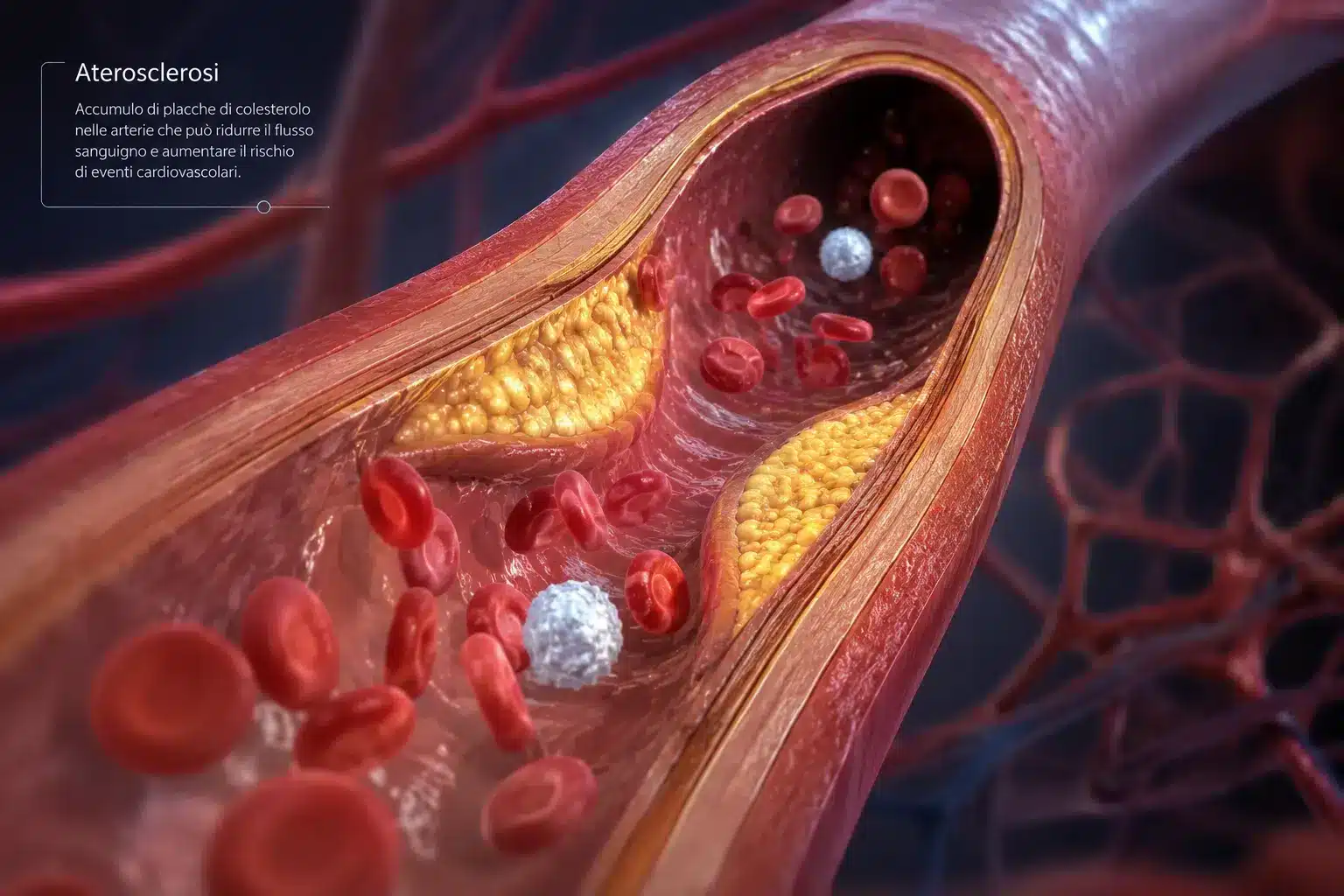
ANATOMY / PROCEDURES
Clear spatial relationships
Camera, cross-sections and levels of detail can guide the viewer towards the relevant structure or stage.
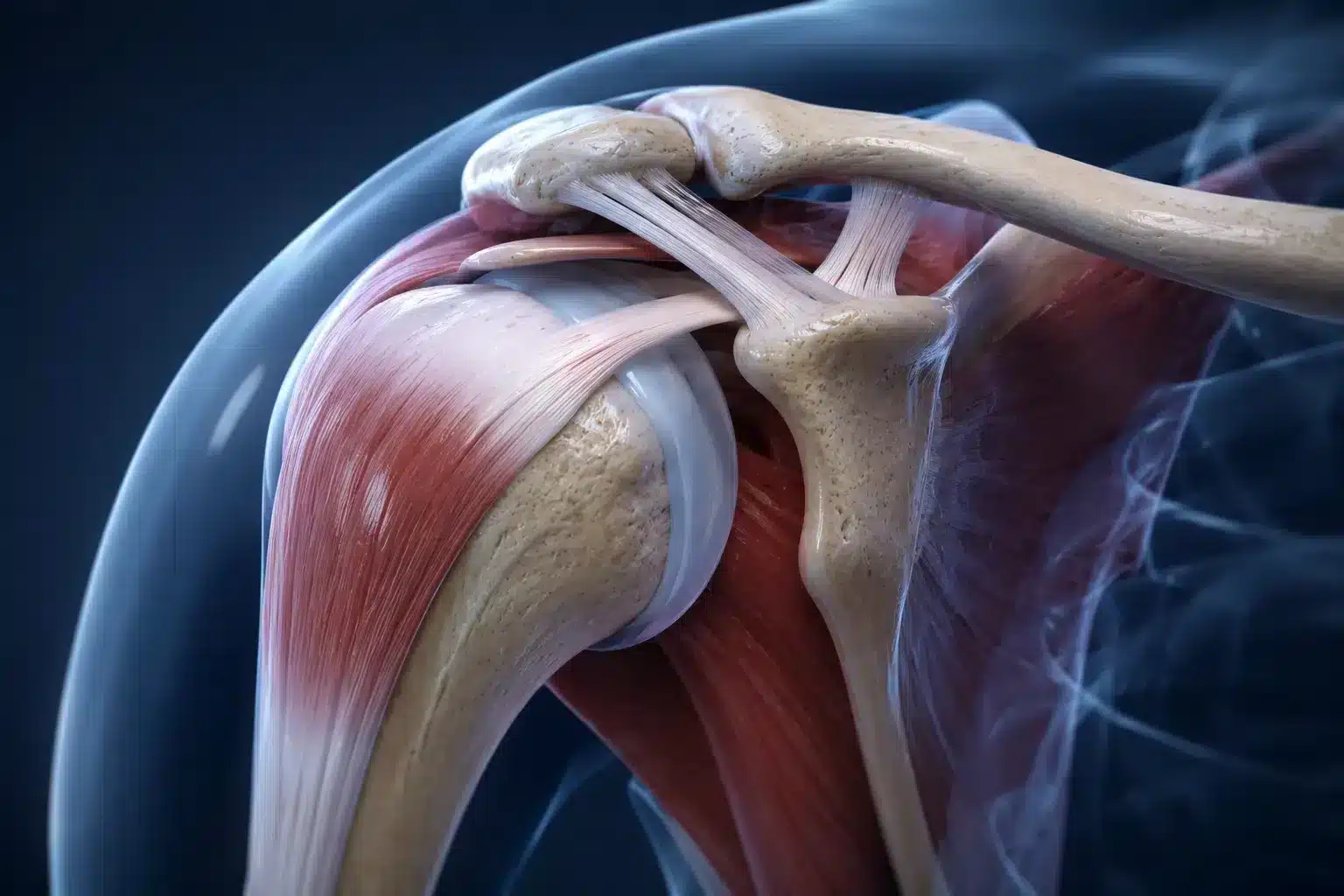
ORGANS / TISSUES
From anatomical detail to the message
The representation is tailored to the approved material and the level of understanding required by the audience.
FAQ
Questions about medical 3D animation.
Starting materials, approvals, devices, formats and differences from an immersive experience.
What materials are needed to start?+
We can assess CAD, STEP, 3D models, drawings, anatomical references, scripts, medical and scientific materials and brand guidelines. Feasibility depends on the quality and completeness of the available sources.
Who validates the scientific accuracy of the content?+
Loto Studios handles visual production. Scientific sources, claims and steps requiring clinical or regulatory expertise must be approved by the client’s or project’s qualified specialists. Storyboards and animatics provide checkpoints before the final master.
Can you animate a device from CAD?+
Yes, when the file contains the geometry required for the scenes. Before production, we check what can be reused, what needs optimising and which parts need adding or rebuilding.
When is animation appropriate, and when is virtual reality better?+
Animation guides everyone through a controlled sequence. VR Healthcare is more suitable when participants need to explore, make decisions or practise within an interactive scenario.
What outputs can you deliver?+
Delivery is defined according to the channel: video masters, adaptations for presentations, web, social media, screens or e-learning, with resolutions, aspect ratios, audio, subtitles and languages agreed for the project.
How much does it cost and how long does it take?+
Medical 3D animation is priced by quotation. Asset quality, duration, number of scenes, representation complexity, audio, adaptations and revision rounds affect the quote. The schedule is defined after checking materials and approval stages.
LET’S DISCUSS THE PROJECT
Do you have CAD, references or medical and scientific content to turn into video?
Tell us what needs explaining, to which audience and which materials are already available. We can separate asset preparation, storyboards, animation, rendering and final adaptations from the outset.
REQUEST AN INITIAL DISCUSSION
Tell us what you need to visualise.
If you have CAD, a script, references or approved materials, mention them in your message.