

AR for marketing
Bring the campaign into its real-world context.
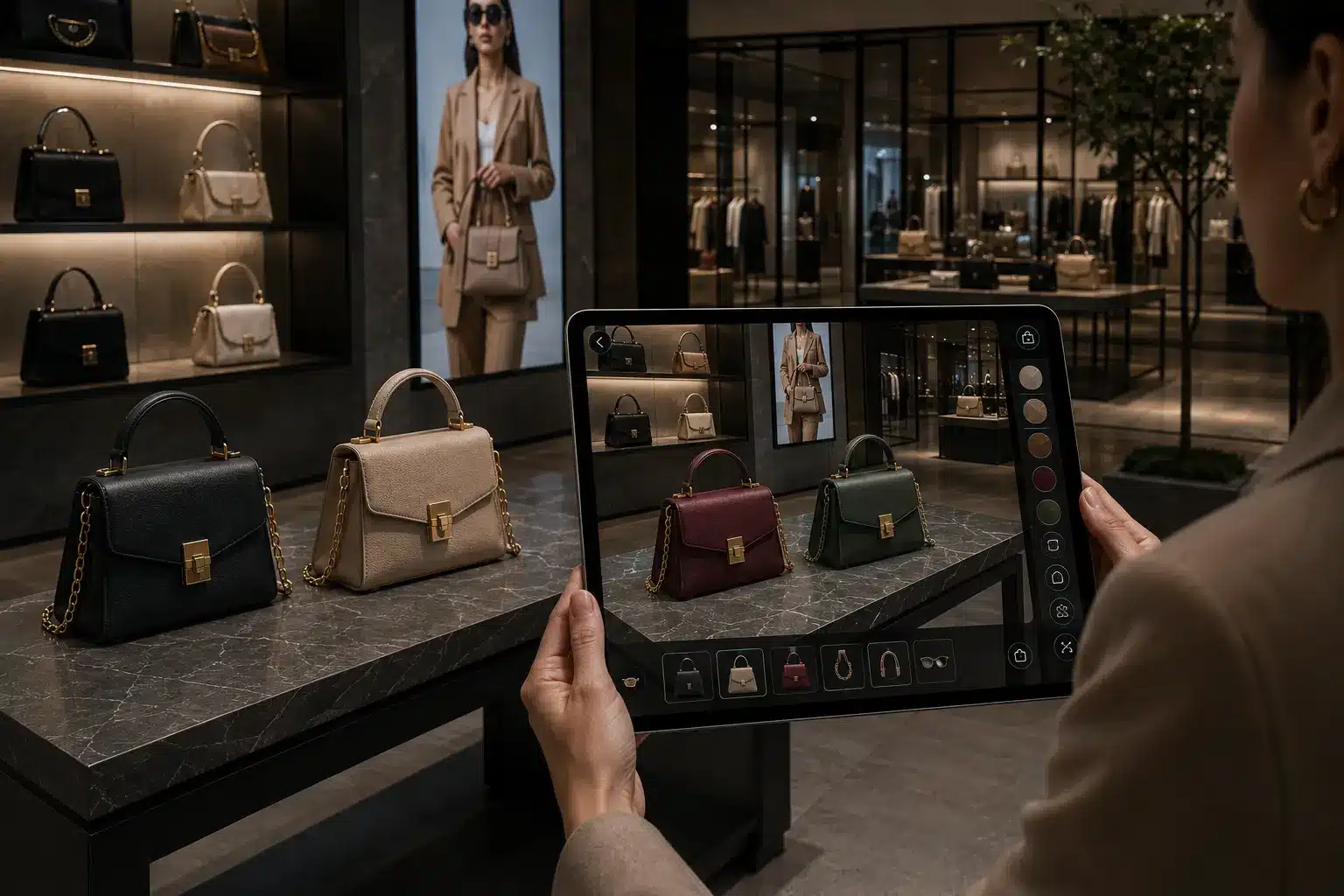
Augmented reality marketing connects packaging, printed materials, products and places to interactive digital content. We design AR experiences for brands and agencies, starting with the message and the journey the audience should follow.
The project covers 3D content, interactions, access and testing on the intended devices. A QR code can launch an experience, but is not augmented reality in itself: the value comes from recognising or placing digital content in a physical context. We define a useful next action rather than adding an effect with no destination.
When it helps
Packaging, launches and activations
When exploring an object, package or space helps people understand the product or take part in the campaign.
When to choose differently
A landing page may be enough
If the goal is simply video, information or enquiries, a website or linear content can reduce steps and cost.
OUTPUTS AND INPUTS
What the project can include.
01
Interactive packaging
We connect printed images or surfaces to sequences, models and actions that fit the package. Recognition must be tested on the final material, including real reflections and folds.
02
Product and brand experiences
We prepare 3D objects and content for exploration and storytelling. AR visualisation does not replace the catalogue, stock, prices or configurator rules.
03
Access and next action
We define links or QR codes, camera instructions, fallback and the next action. Any usage measurement or integration is agreed within the existing consent requirements.
What we need to begin
Brief and message, audience, campaign duration, final packaging or images, 3D models or references, languages and distribution channels.
TECHNOLOGY AND LIMITS
WebAR or an app: start with access.
For a one-off activation, we first assess browser access where compatible with the required tracking and devices. A dedicated app may better suit repeated use or specific features, but adds installation, distribution and maintenance. Before production, we test lighting, target size, surfaces, camera permissions and connectivity. We do not promise an identical experience on every phone.
PROCESS
From a representative test to delivery.
01
Goal and journey
Agree the audience, message, access point and final action.
02
Targets and content
Check packaging, markers and assets; approve the storyboard and interactions.
03
Phone prototype
Test a representative case before extending production.
04
Delivery and campaign
Deliver through the agreed channel with instructions, fallback and an update scope.
FAQ
Practical questions before starting.
Is a QR code enough to create AR?
No. A QR code can open a link; AR needs digital content recognised or anchored in the real world. If that relationship is unnecessary, a landing page may be simpler.
Do users need to download an app?
It depends on the device and experience. We assess WebAR and apps through a prototype, without promising universal browser access.
Can we use our existing packaging?
Yes, after checking its design, size, finish and usage conditions. A target that works on a monitor may behave differently on printed packaging.
How much does an AR campaign cost?
The estimate depends on tracking, assets, interactions, languages, platforms and distribution duration. The brief and materials help separate initial production from subsequent management.

LET’S TALK ABOUT YOUR PROJECT
Have a campaign or packaging you want to make interactive?
Tell us the message, audience, access channel, available materials and launch date. We first assess the use case and intended devices.
AN INITIAL DISCUSSION
Context, content and devices.
Tell us the message, audience, access channel, available materials and launch date. We first assess the use case and intended devices.
REQUEST AN INITIAL DISCUSSION
Tell us about the experience to develop.
The fields below are optional and help us tailor our first response.