INDUSTRIAL 3D ANIMATION
Show what a camera cannot see.
Industrial 3D animation makes machinery, internal components and processes clear when they are difficult to film, isolate or explain in real life. It supports precise, controlled communication that can be reused in B2B sales, trade shows, presentations and technical content.
For broader requirements, start with our 3D Animation. The aim is not always to replace live video: 3D is useful when you need to look inside a machine, visualising a sequence, separating components, showing a flow or working before a product is available to film.
Mechanisms, sections and processes
When you need to control the camera, timing and visibility of internal parts, or explain production stages and behaviour that cannot be seen from outside.
When live footage or a still render is enough
An accessible product that is easy to film may call for live action. When movement is unnecessary, a still render can communicate the message with a simpler production.
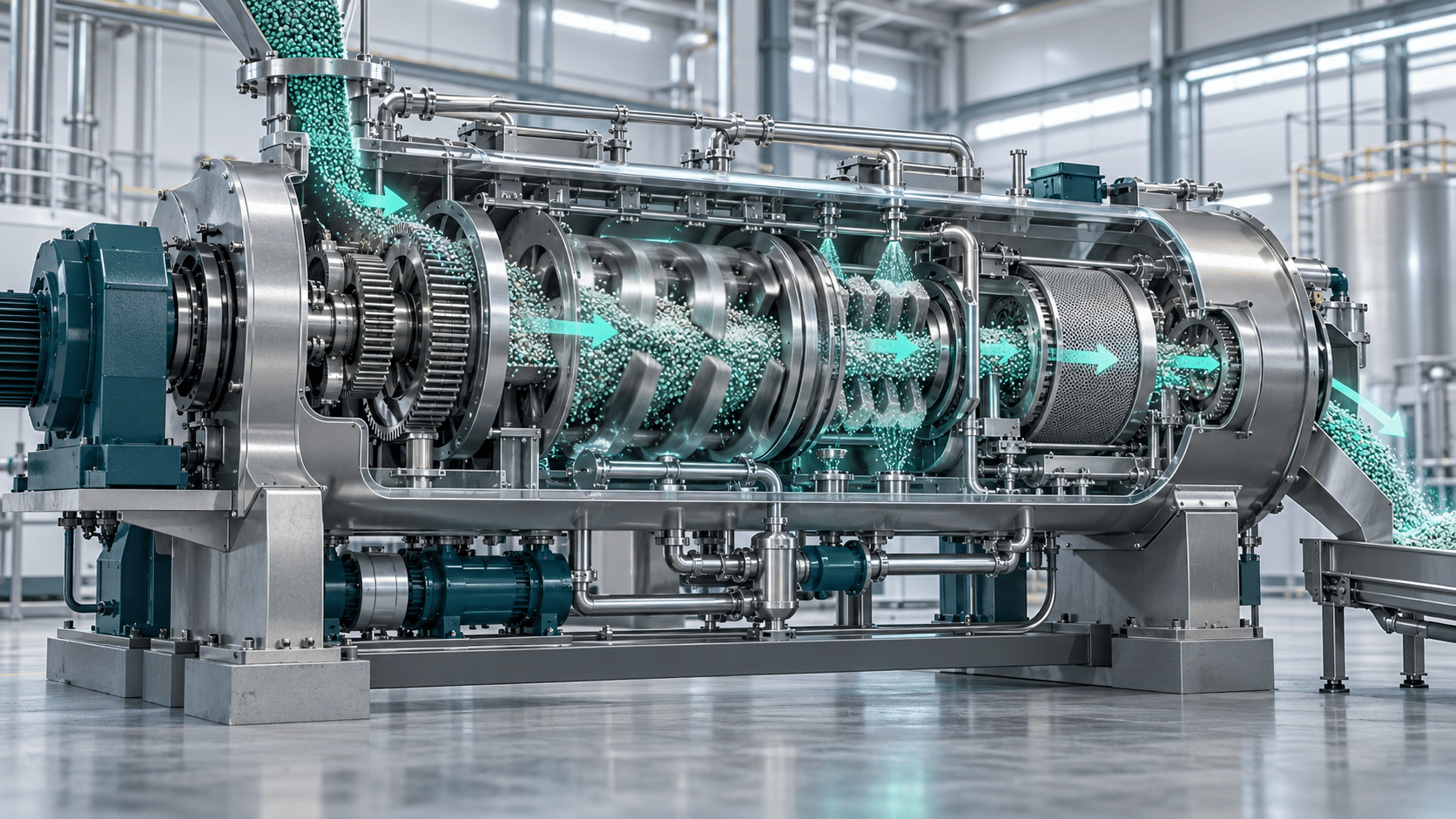
WHAT WE CAN VISUALISE
From CAD to a sequence that explains how it works.
Technical animation works when each visual choice serves a purpose: understanding a component, the relationship between parts, a transformation or a stage in a process.
Machinery and components
Movements, assemblies, subsystems and internal parts can be isolated and shown beyond the physical limits of live filming.
Production processes
A sequence can explain stages, inputs, transformations and outputs, keeping continuity between each step.
Cutaways and exploded views
Cutaways, transparency and exploded views explain structure and relationships between components without physically dismantling the product.
Flows and phenomena
Materials, energy and other phenomena can be represented with a consistent visual language when the behaviour is documented.
Callouts and technical data
Labels, text and indicators support understanding while keeping the video readable.
Versions for different channels
We can plan production for presentations, trade shows, websites and digital formats, defining in advance which elements will be reused.
REAL PROJECT
Closeoop: making six stages of an industrial process visible.
The Closeoop 3D animation presents the stages of textile regeneration, turning a complex process into a clear sequence. It is a useful example when the value lies not in the individual product, but in understanding how the transformation happens.
VIEW CLOSEOOP →TECHNICAL DATA AND CONTROL
CAD helps, but it is not yet a video-ready asset.
Engineering files are built for design and manufacturing, not for storytelling. Before animation, we review the structure, required parts, file size, materials and level of detail that is actually useful to the camera.
CAD and geometry
Importing and cleaning remove what does not contribute to the video, organise the parts and make the model manageable in the planned scenes.
Storyboard and animatic
Before final rendering, we validate scene order, message, camera and sequence duration. Changes at this stage are more efficient than rebuilding completed frames.
Rendering and post-production
Once the structure is approved, we refine materials, lighting, animation, text and editing in the format agreed for the final channel.
DELIVERY FOR THE STAND
An industrial animation prepared for use at your stand.
We define the operation or assembly sequence visitors need to understand. Where appropriate, we plan a continuous loop that remains clear without sound, using approved captions and callouts.
Formats agreed with the stand contractor
Before final production, we agree screen or LED wall dimensions, aspect ratio, resolution, file format and playback system with the stand contractor. We check looping and audio requirements. Offline playback is included only when the chosen solution supports it and the scope provides for it; we confirm network requirements in the brief.
Language and technical review
We agree the language of captions, callouts and any voice-over, and identify who approves technical accuracy. The client reviews the storyboard and, where needed, the animatic before final rendering; we also agree revisions and the delivery date.
Reuse planned in the brief
If the animation is also needed for the website, sales presentations or campaigns, we define cuts, formats, language versions and usage rights in the project scope. Source files and extra versions are included only when agreed.
A public example: the Euromecc project brings industrial plant details and processes into an animation intended for trade shows, company presentations and digital platforms. EXPLORE EUROMECC →
WORKFLOW
A technical process that reduces late revisions.
Quality does not depend on rendering alone. Content, structure and movement need to be progressively agreed before investing time in the final visual finish.
Technical brief
Objective, audience, machine or process, channel and available materials.
3D preparation
CAD checks, geometry cleaning, required parts and materials.
Storyboard
Scenes, messages, camera, callouts and narrative order.
Animatic and approval
Movement and timing validated before final rendering.
Rendering and post-production
Final look, editing, text, any audio and agreed formats.
PRICE INDICATION
From €600
YOUR QUOTE
Scope, complexity, supplied assets, outputs and revisions are reviewed before confirming the quote.
REAL PROJECTS
Processes, plants and technical communication.
These case studies demonstrate how technical material can become content for marketing, sales and trade shows.
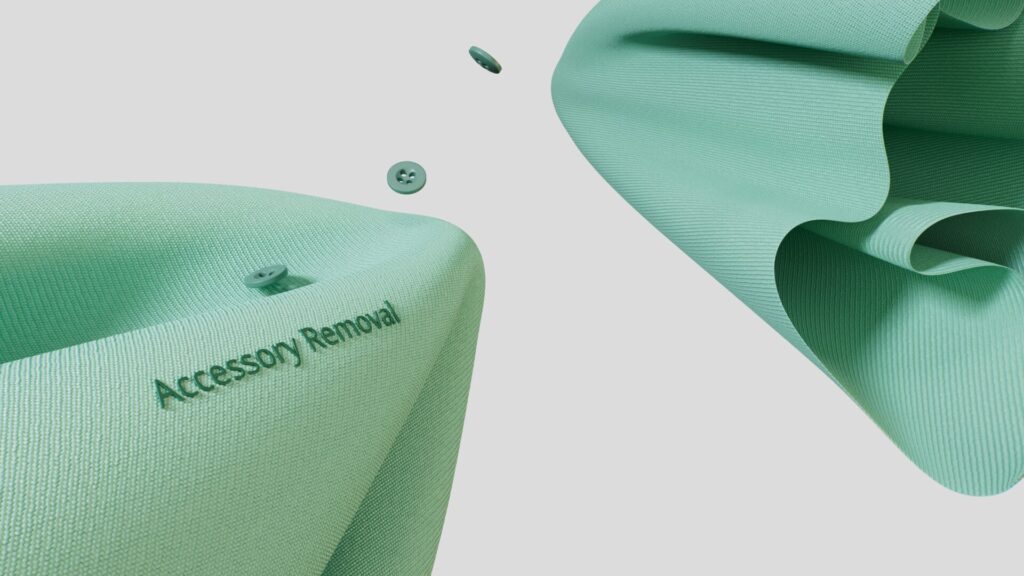
CLOSEOOP · INDUSTRIAL PROCESS
Making a transformation clear across multiple stages
The 3D content follows textile regeneration and organises its stages into a clear sequence for communication and presentation.
EXPLORE THE PROJECT →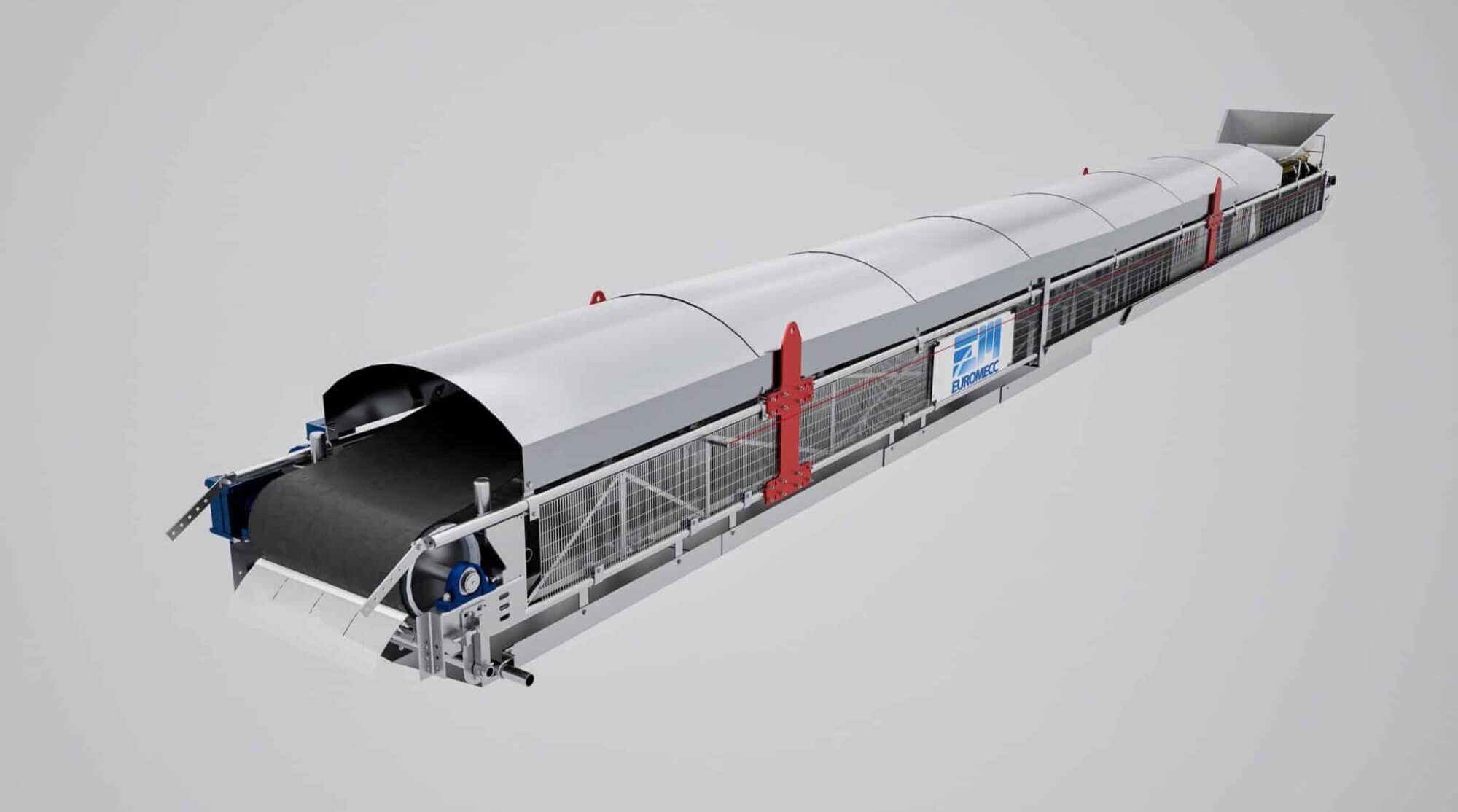
EUROMECC · INDUSTRIAL PLANTS
Plants and processes for trade shows and presentations
An industrial 3D visualisation and animation project showing plants and their operation in commercial and presentation contexts.
EXPLORE THE PROJECT →QUOTE
Cost depends on what needs to move, not just duration.
A one-minute video with one machine and clean assets has a different scope from a minute with several plants, processes, cutaways and CAD reconstruction. We base the quote on the technical complexity of the project.
Starting from €600
The published minimum reference for industrial animation. It does not describe a standard project or replace an assessment of the technical material.
CAD, scenes and complexity
Model condition, asset count, animated parts, duration, visual simulations, revisions and final quality affect the production workload.
Planned around the storyboard and inputs
We do not publish a single schedule for every industrial animation: it depends on the available material, number of scenes and approval process.
FAQ
Questions about industrial 3D animation.
The key factor is the control you need over the machine, process and technical message.
Can you work from our CAD or STEP files?+
Yes, when the material is usable. We review it before starting, as heavy, incomplete or unorganised CAD may require cleaning, simplification or reconstruction of parts.
When is 3D more suitable than live filming?+
For internal components, cutaways, flows, stages that cannot be filmed, unproduced variants or movements that need full camera control. For an available product and a straightforward record of what happens, live action may be more suitable.
How does this differ from industrial rendering?+
Still rendering communicates through images. Animation adds time, sequence and movement when operation or process is central to the message. Learn more about industrial 3D rendering.
Is the storyboard approved before final rendering?+
Yes. The video structure, scenes and main steps are validated before the most resource-intensive stage. Where useful, an animatic checks timing and camera before final production.
How much does industrial 3D animation cost?+
From €600. The published reference starts at approximately €600. The actual quote depends on duration, CAD condition, scene count, animated parts, visual complexity, revisions and outputs. We first review your material and communication objective.
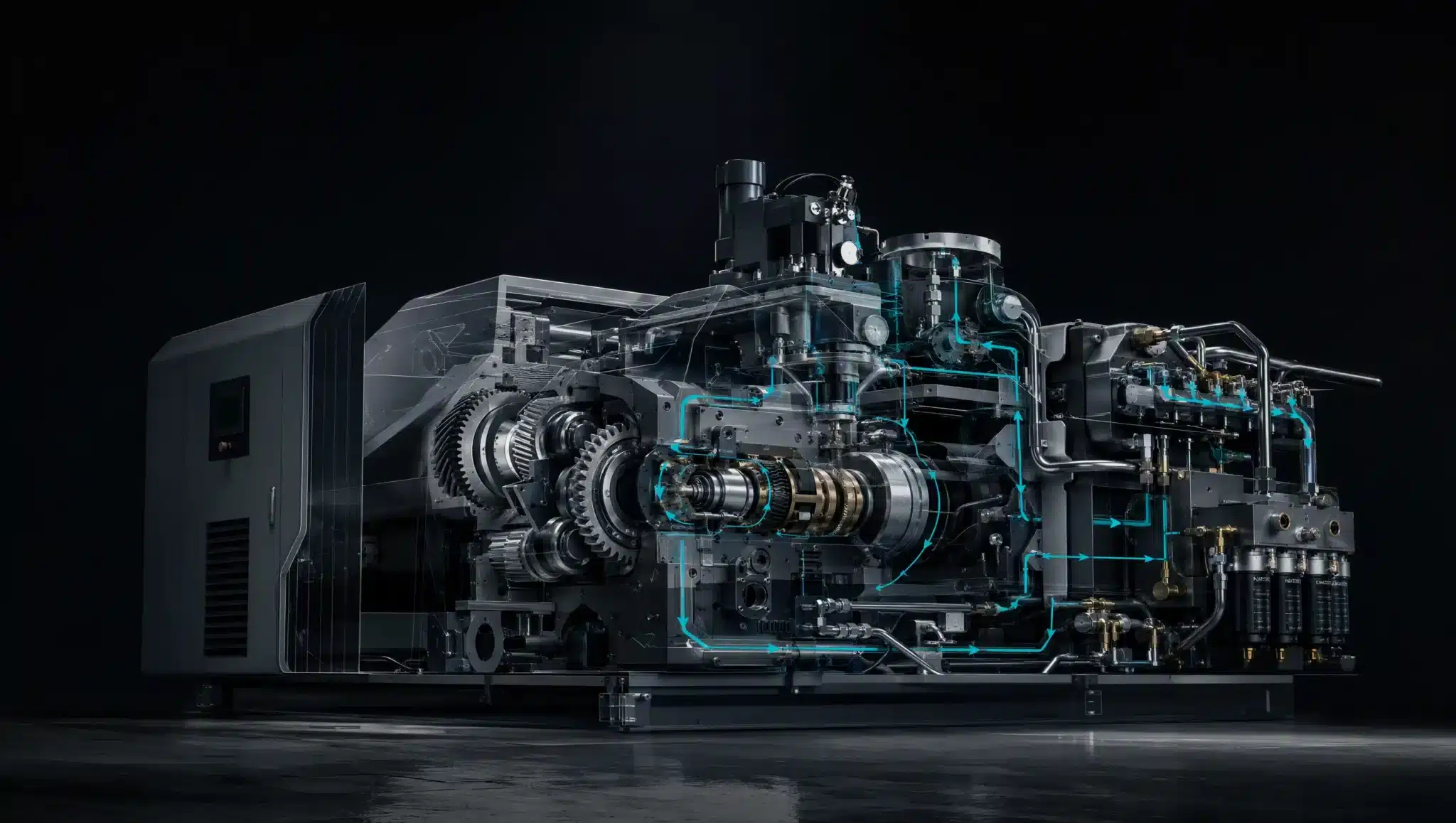
LET’S TALK ABOUT YOUR PROJECT
Do you have CAD, diagrams or a technical sequence to explain?
Send us the existing material and tell us who needs to understand the content, where it will be used and which step is hardest to explain. We can then assess whether an animation is really needed, which assets can be reused and where it makes sense to simplify.
REQUEST AN ASSESSMENT
Tell us what needs to become clear.
Describe the machine or process, desired duration, available technical material, audience and final channel. Mention any CAD files or storyboard in your message.