3D PRODUCT RENDERING
Product images before and after production.
3D product rendering turns a model, a technical drawing or visual references into static product images. It shows shapes, materials and details consistently for catalogues, launches and communication, even when no sample is available to photograph.
We start with the elements that truly describe the object: geometry, finishes, variants, intended image use and brand references. Camera, lighting and setting are then designed for the intended channel. If there is no model, reconstruction must be assessed in the quotation.
WHEN IT MAKES SENSE
3D Rendering
For products not yet manufactured, many finishes or views that need to remain consistent over time. It is also useful when transporting, staging and photographing the sample are impractical.
WHEN TO CONSIDER ANOTHER APPROACH
Product photography
If the product is ready and available, and only a few images without variants are needed, a photo shoot may be more direct. The choice depends on inputs, volumes and final use.
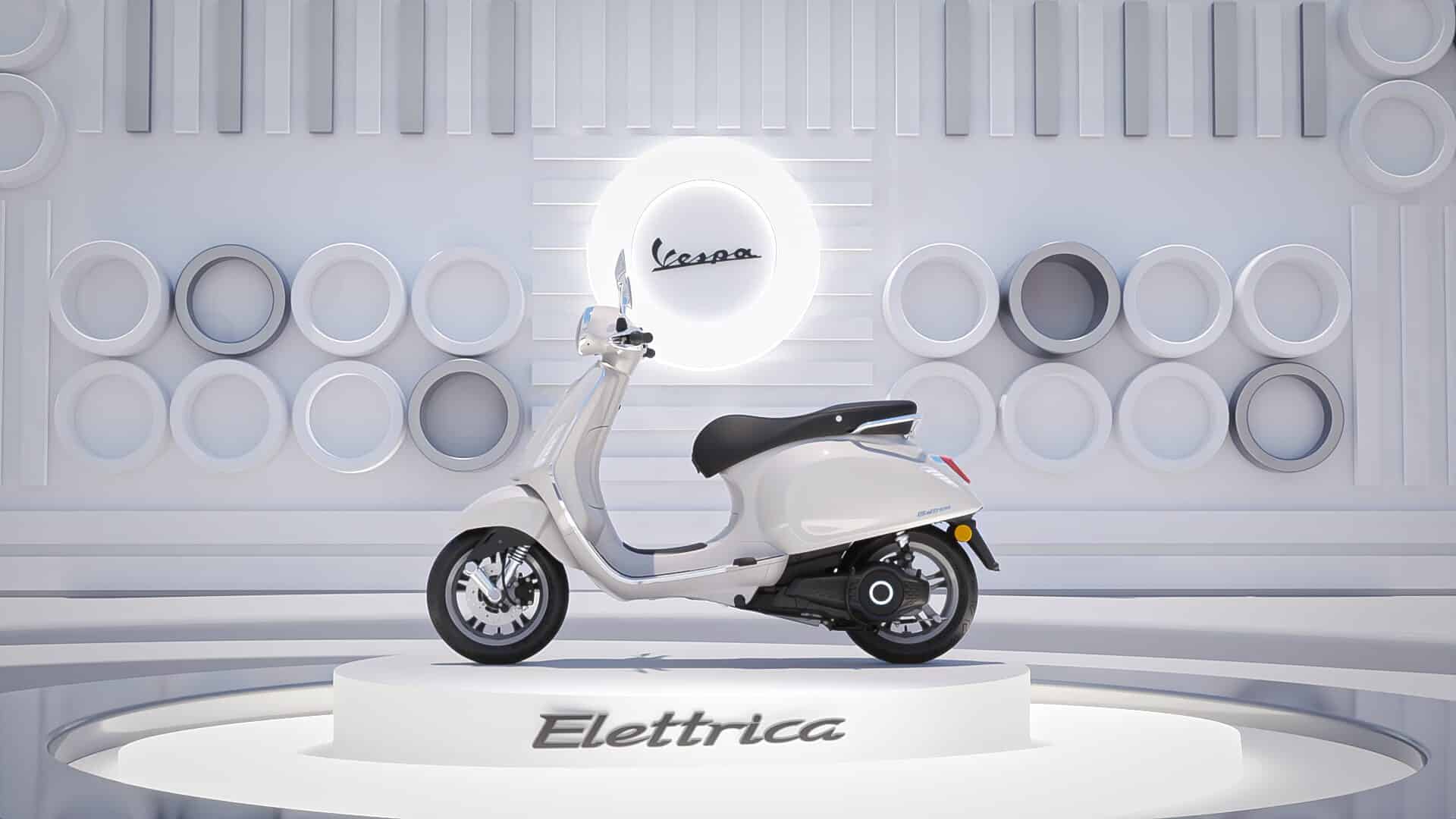
One object, several contexts.Views, lighting and finishes are defined according to the communication.
WHAT YOU CAN OBTAIN
Visuals designed for a specific use.
The result is more than a beautiful image: each channel needs the right framing, format and level of detail. These are the main outputs of a product rendering project.
01 / CATALOGUE
Views on a neutral background
Clean images for product pages, price lists, sales presentations and documentation. Angles and proportions can remain consistent across products in the same range.
02 / CAMPAIGN
Product in context
Compositions showing the product in a credible setting, with lighting and materials designed to highlight its use and positioning.
03 / DETAIL
Finishes and variants
Close-ups of agreed components, surfaces, colours and configurations. Each variant requires defining what changes and which views need updating.
Catalogues and brochures
Sales presentations
Product launch
Website and campaigns
Technical data sheets
If the aim is to produce large quantities of uniform images for product pages and marketplaces, explore our service for 3D rendering for e-commerce. Here the focus is on the appearance of the individual product and the visual story of its features.
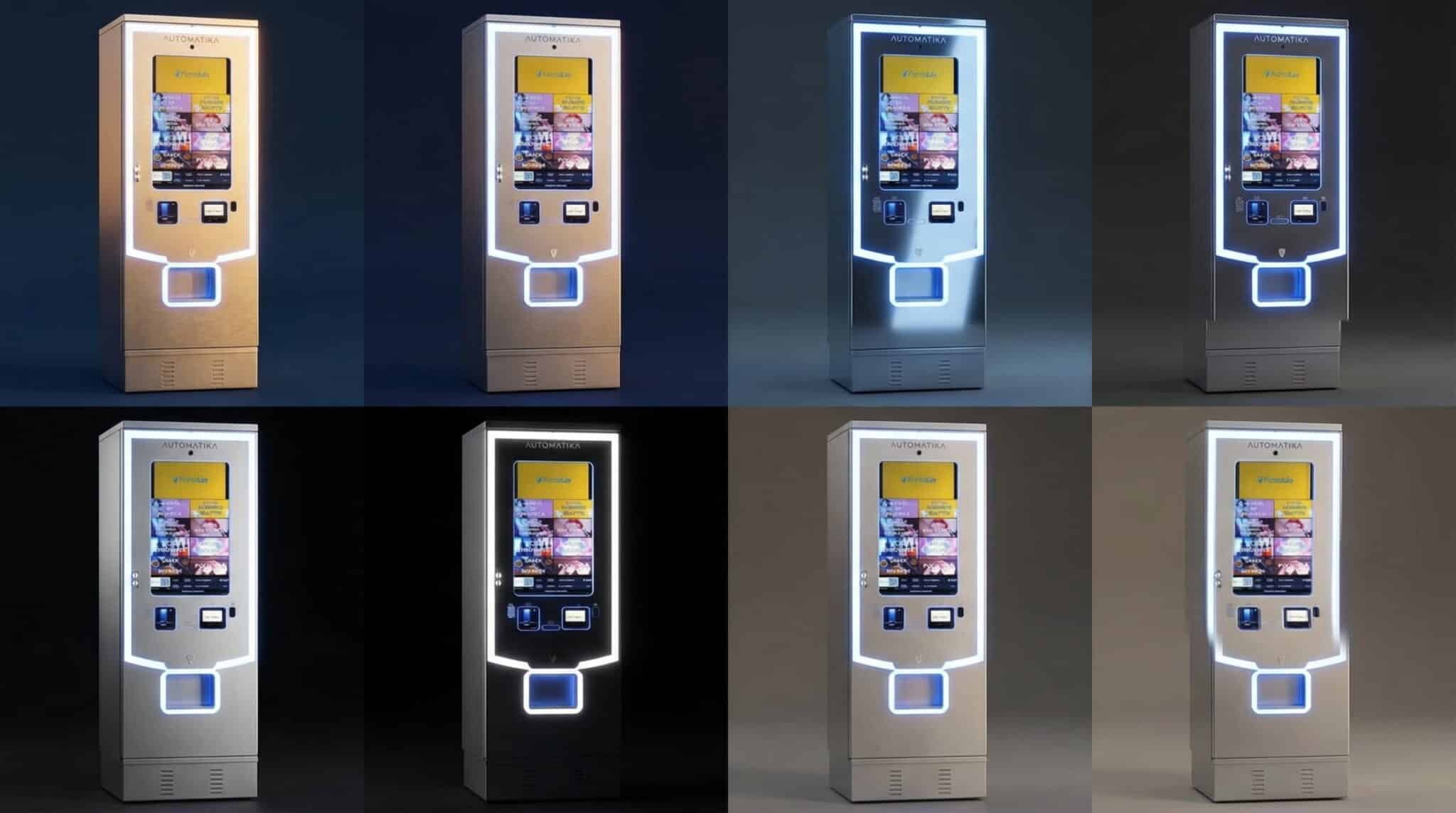
VISUAL CONTROL
The same identity in every image.
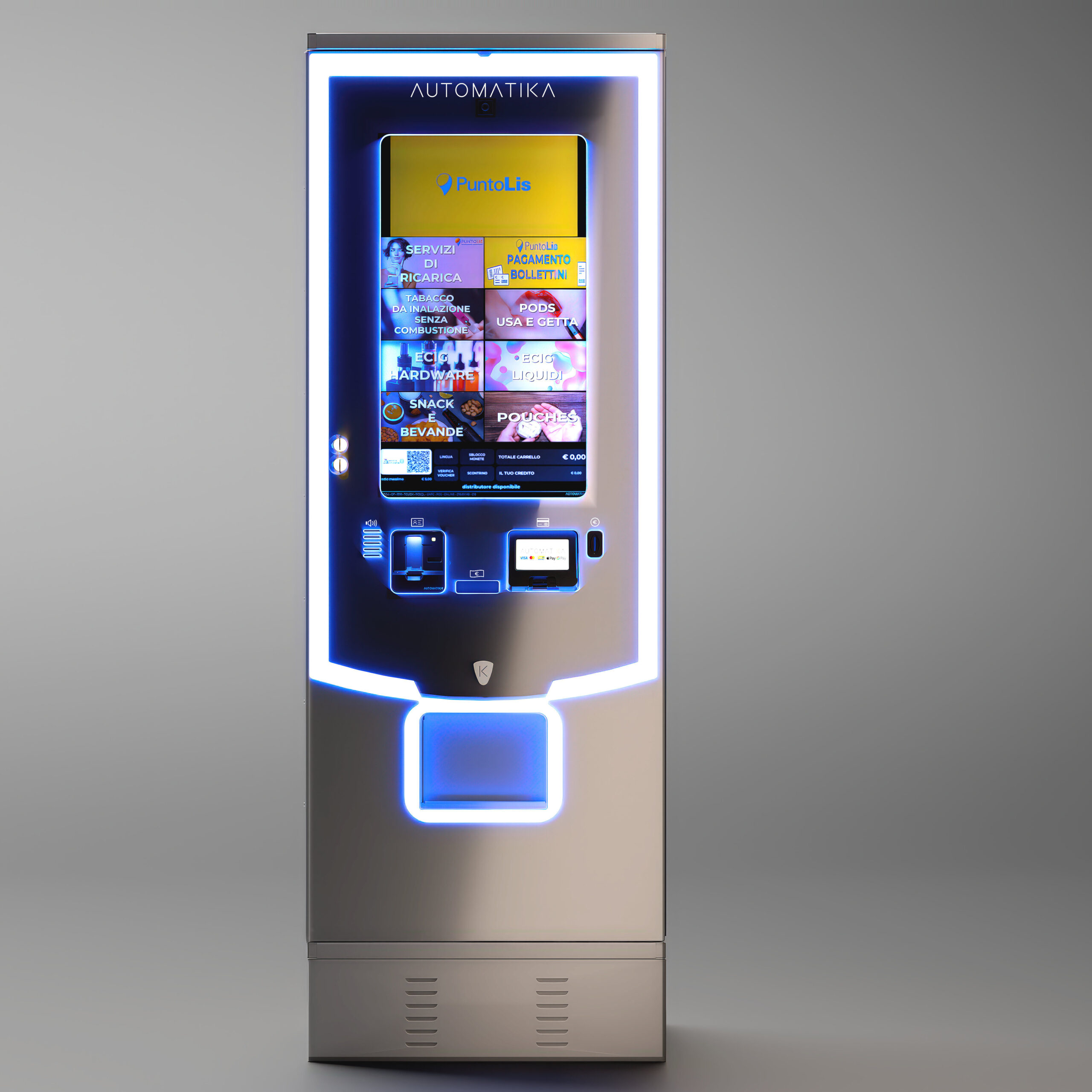
A 3D set lets us consider geometry, surfaces, viewpoint and lighting before final export. In the Automatika project, visualisations of the vending machine made materials, colours and shape clear before the physical product became available.
This control is useful for coordinating launch images, presentations and catalogues. To maintain consistency, it is important to approve a visual direction and a preview before producing all the views.
HOW WE WORK
From inputs to final images.
The process varies with the quality of the starting material and the number of views. These five stages clarify what needs agreeing and when to validate the result.
01
Brief and intended use
We define the product, audience, channels, formats, required views, any variants and deadline.
02
Starting materials
We assess CAD or 3D models, drawings, photographs, samples and information on colours and finishes. We identify what is missing.
03
Scene and appearance
We prepare the model and materials, then choose framing, lighting and background consistent with the final use.
04
Preview and approval
We share review views. Corrections to geometry, materials and framing are gathered before the final renders.
05
Delivery
We export the agreed images in the dimensions and formats defined in the brief, ready for the intended channels.
PRICE INDICATION
From €200
This is the starting price already published for product rendering. The quotation depends on complexity, input quality, reconstruction, number of views or variants, resolution and revisions.
INDICATIVE TIMING
About 5 working days
The published timing is indicative: it is confirmed after reviewing the materials and defining the outputs. Multiple products or variants require dedicated planning.
REAL PROJECTS
Three ways to show a product.
These published projects show different applications: a B2B catalogue, a presentation before production and campaign visuals. Images link to their respective project pages.
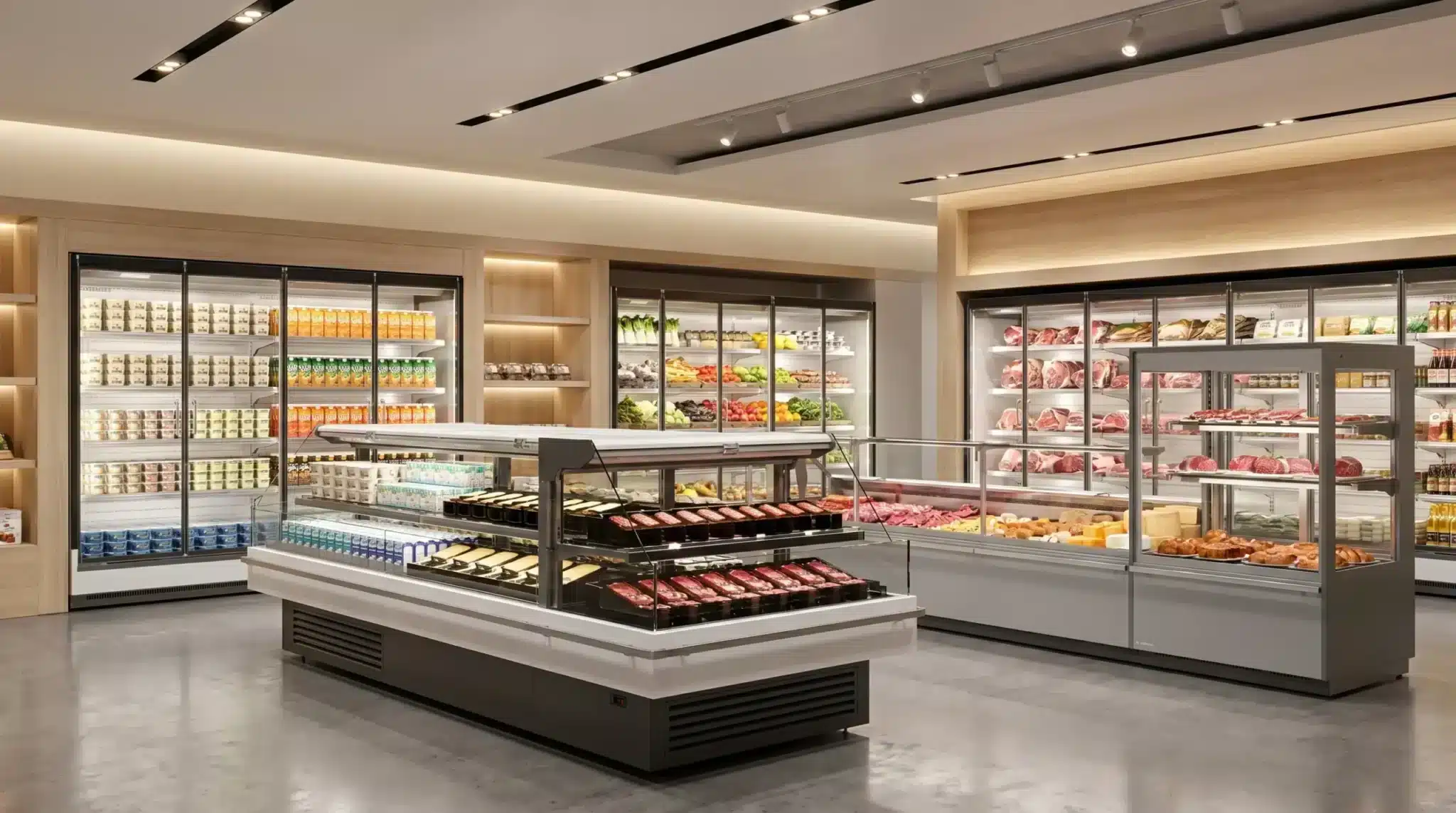
COMMERCIAL REFRIGERATION
Pastorfrigor
Visuals of a range of refrigerators and refrigerated furnishings: steel, glass and lighting made clear for technical catalogues, marketing and B2B e-commerce.
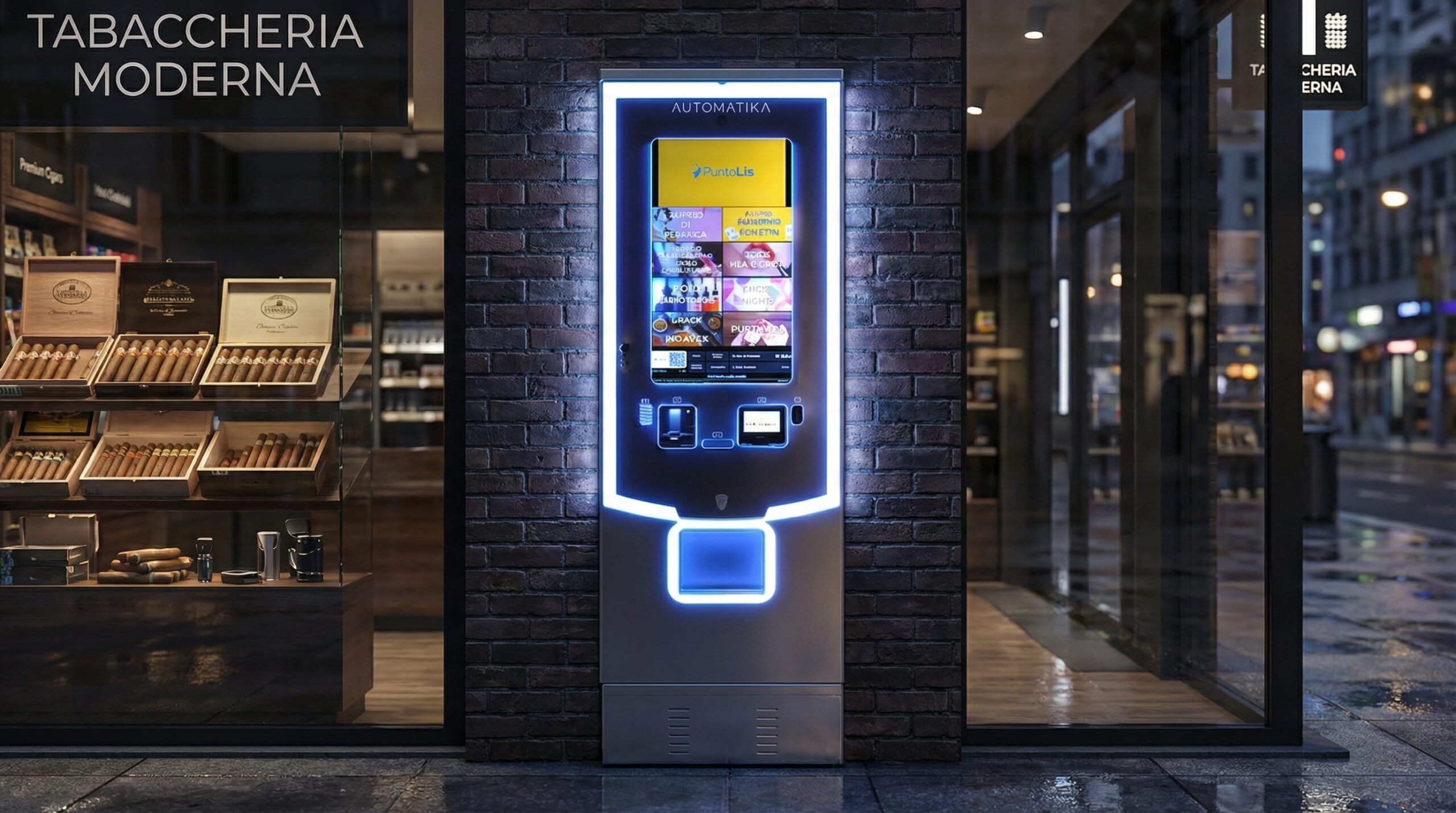
PRODUCT BEFORE LAUNCH
Automatika
Visualisation of a vending machine before physical production, with attention to shape, materials, colours and viewpoints.
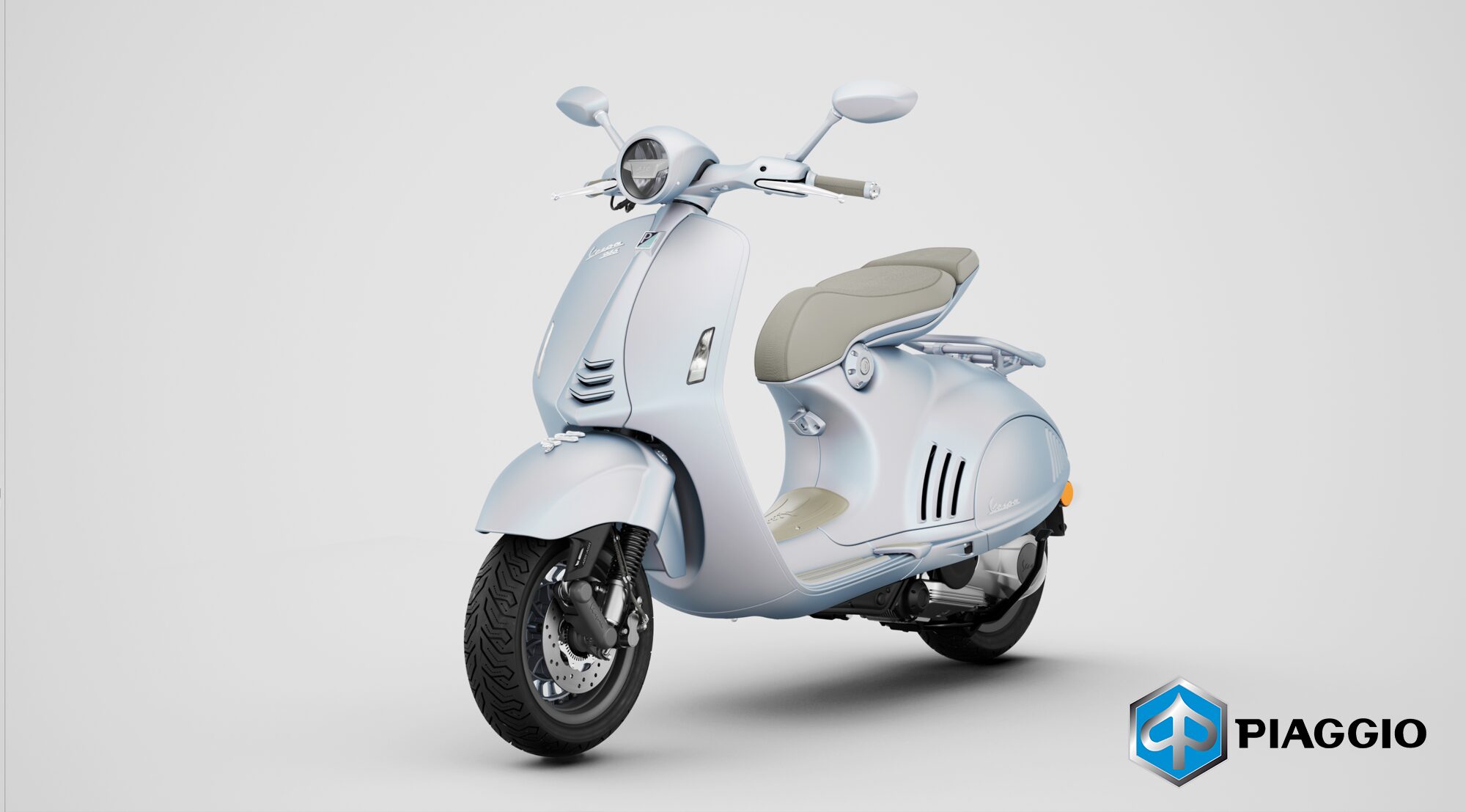
PRODUCT AND CAMPAIGN
Piaggio Vespa Snake
Visuals for the limited-edition Vespa Snake: curved surfaces and finishes become part of the product’s visual story.
FREQUENTLY ASKED QUESTIONS
What to know before starting.
These answers clarify inputs, production choices and image use. Definitive costs and timing require assessing the product and requested outputs.
How much does 3D product rendering cost?
The published starting price is €200. The actual cost depends on whether a model is available or needs reconstruction, product complexity, materials, setting, number of views and variants, resolution and revisions. A specific quotation is prepared after the brief.
How long does it take to receive the images?
The published timing is approximately 5 working days. This is not a promise that applies to every project: it depends on inputs, image quantities, variants and approval times. Delivery is agreed in the quotation.
Do I need an existing 3D model or CAD file?
A 3D or CAD model helps us start with the correct geometry, but product drawings, photographs and references can also be assessed. If modelling or reconstruction of missing parts is needed, that work is estimated separately within the project.
Can the rendering be created before the product exists?
Yes, if there is sufficient information on shape, dimensions, components and finishes. This is one of rendering’s most useful applications: visualising the product for presentations or launch before photographing the physical sample.
Can I request several colours, materials or camera angles?
Yes. State in the brief which components vary, which views are needed for each variant and where the images will be used. This lets us plan a common base and estimate the additional work without assuming that all variants require the same time.
When is photography preferable to rendering?
If you already have the physical product, need few images and do not anticipate variants or updates, a photo shoot may be simpler. Rendering becomes useful when the sample is missing, the range changes or control is needed over many views and finishes.
Are the images suitable for e-commerce and marketplaces?
They can be prepared for those channels by agreeing the format, background, dimensions and platform rules. If you need many coordinated product pages, see the service dedicated to 3D e-commerce rendering.
What is needed to request a quotation?
A product description, the materials you already have (models, drawings or photos), an indicative number of views and variants, the intended channel and the deadline are enough. Any open points can be defined together.
LET’S DISCUSS YOUR PRODUCT
What do you want to show?
Tell us about the product and where the images will be used. If you already have 3D models, drawings or photographs, describe them in your message: we can assess the views needed, the most suitable appearance and a quotation based on real inputs.
Product
Model or references
Views and variants
Channels
Deadline
AN INITIAL DISCUSSION
Let’s start with the brief.
Provide the information you already know. A complete specification is not necessary.