Automotive 3D videos to highlight technology, design and innovation
Automotive 3D animations show vehicles, components and technologies in motion using CAD models, drawings or concepts. They explain what lies beneath the bodywork, present a new model and provide videos for launches, sales and events, even before a physical prototype exists.
From conventional engines to electric platforms, driver assistance systems and batteries: we select camera angles, sections and details according to what the audience needs to understand. The technical lead confirms features and operation before final production.
This service is part of our 3D animation for businesses. For videos about machines and production lines, explore industrial 3D animation.
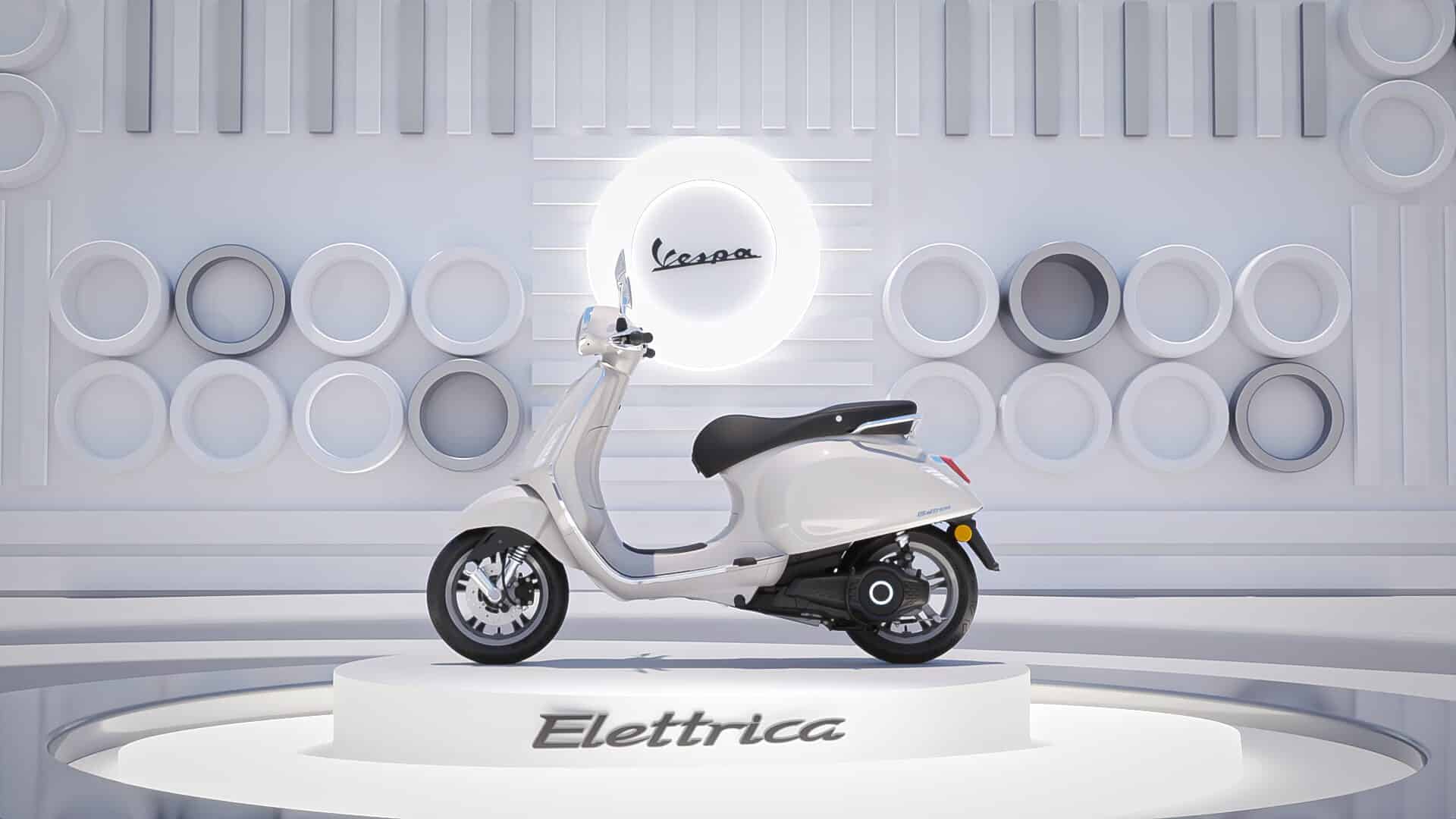
What we can show in the video.
We define the sequences around the product, audience and screen where they will be used.
Vehicles and design
Presentations of exteriors, interiors, finishes and variants, including concepts and launches before production.
Components and operation
Sections and exploded views make engines, transmissions, sensors and relationships between components clear.
Electric mobility and driver assistance
Explanatory sequences of batteries, energy flows and assistance scenarios based on the technical data provided.
Automotive technology in motion.
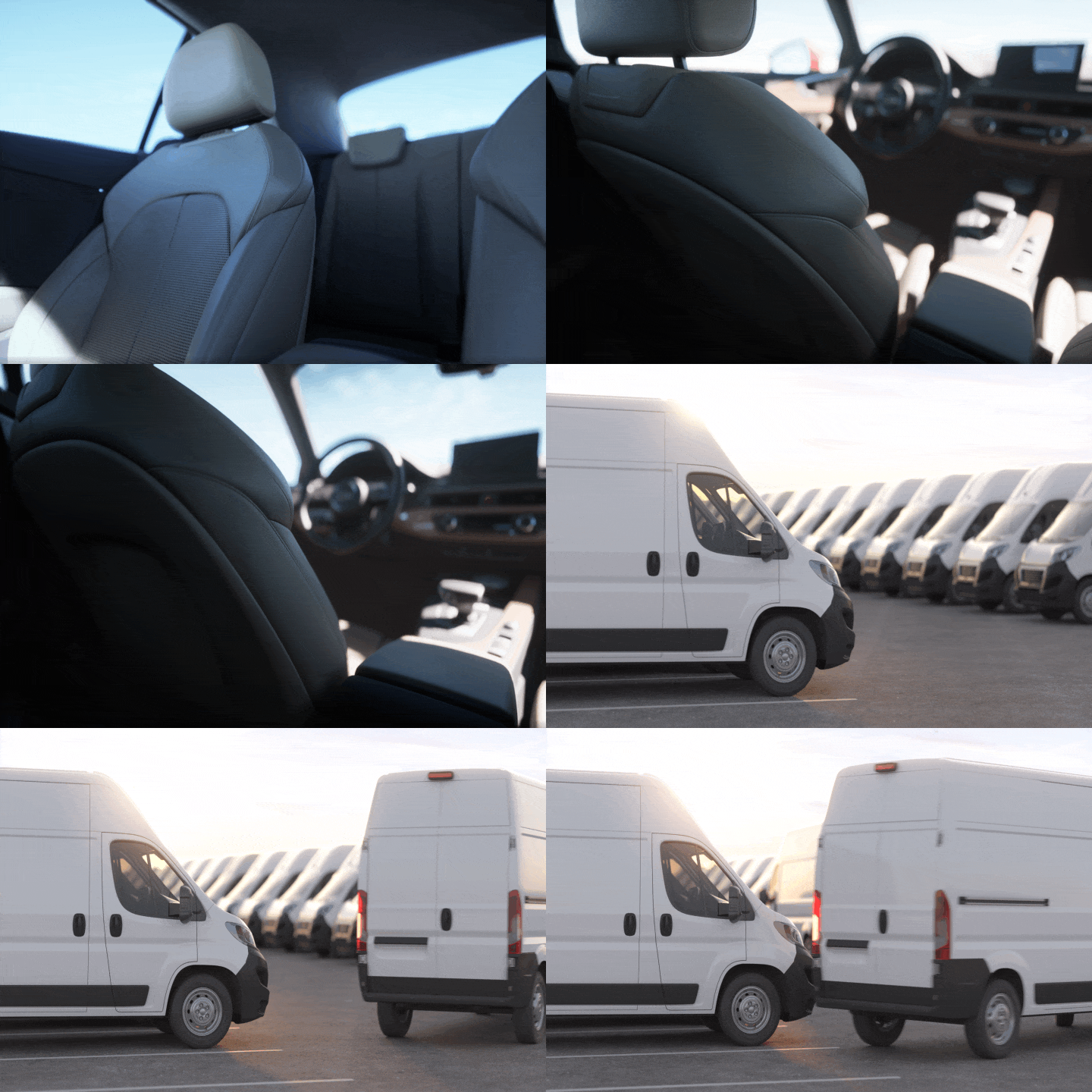
The video already on this page provides an example of the service’s visual language: movement, camera angles and details can make a system’s operation understandable.
From CAD to visual storytelling.
We agree on messages, scenes and technical checks before finalisation. Each stage has an approval step defined within the project.
Brief and data
We collect CAD files, drawings, references, audience, channels and preferred date.
Storyboard
We define sequences, messages, duration and details to show.
Model and movement
We prepare geometry and materials and develop the animations.
Technical review
We share previews to check operation, text and camera angles.
Delivery
We finalise editing and versions in the agreed formats.
Duration, complexity, CAD quality, environments, audio and revisions determine the quote. The delivery date is defined after reviewing the materials.
From concepts to technologies already in production.
The visualisations already on this page show three automotive models: shapes, materials and motion become content for presenting the vehicle.
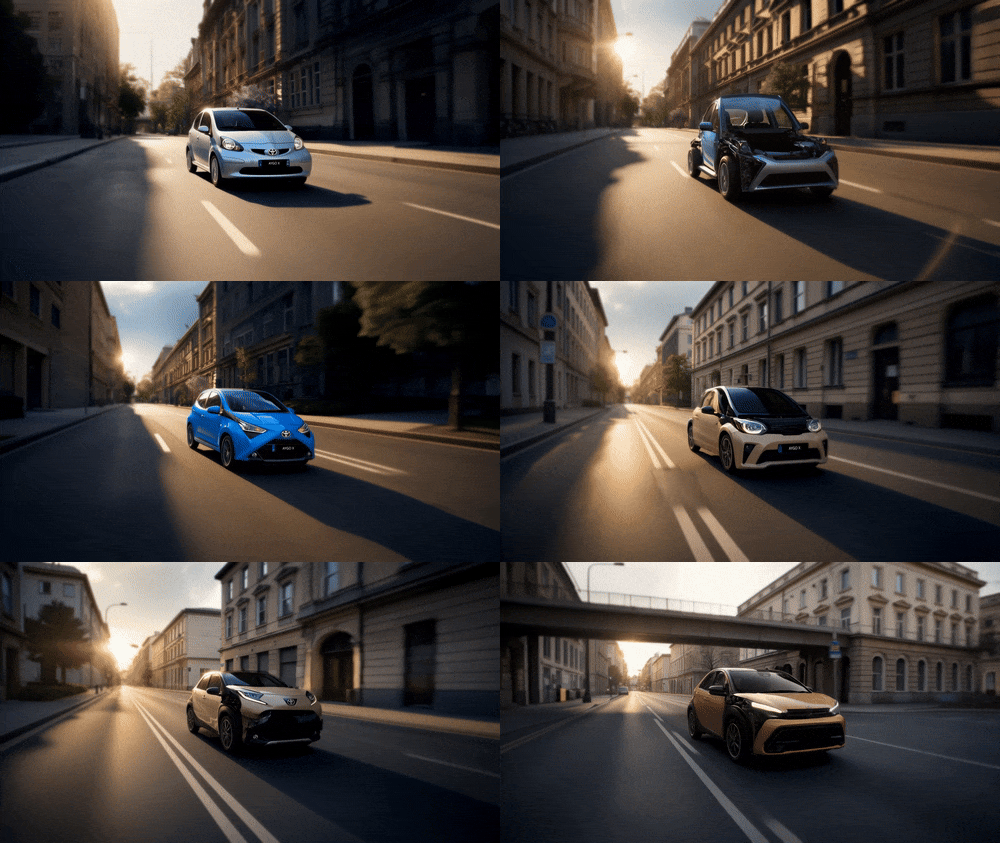
Toyota Aygo
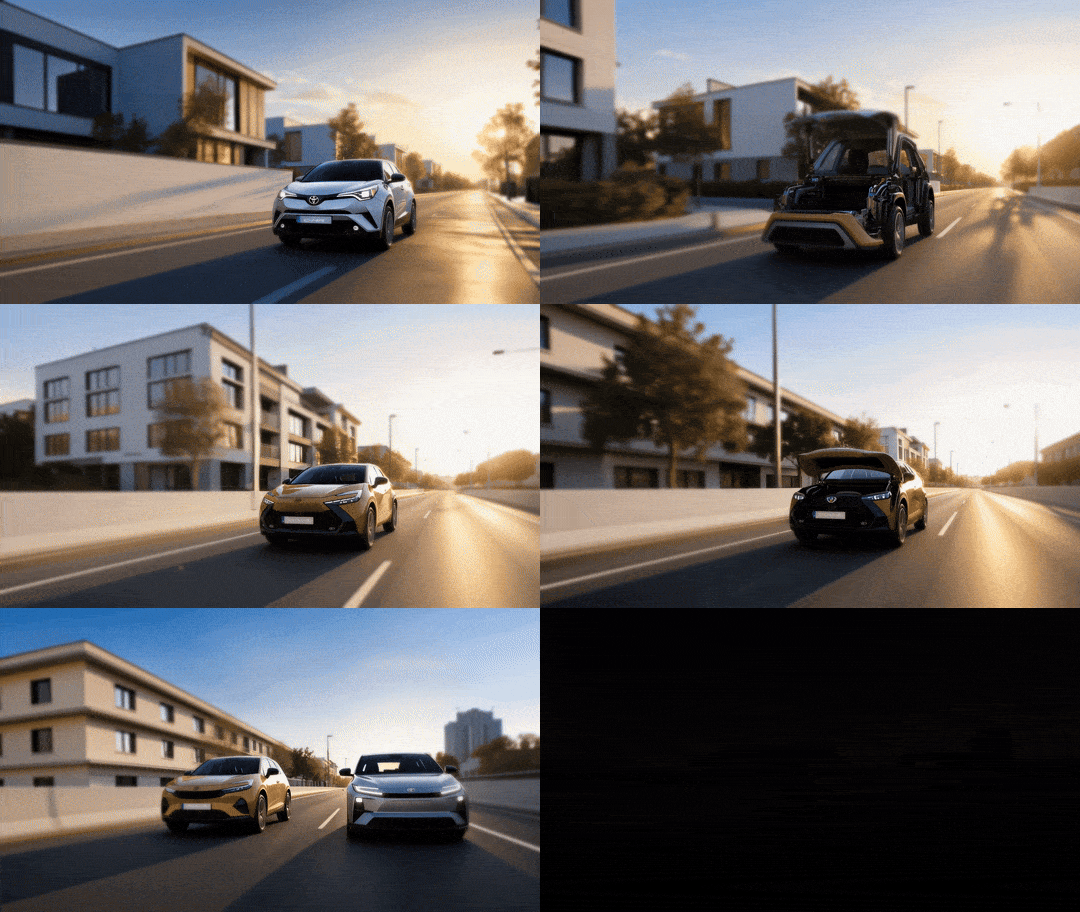
Toyota C-HR
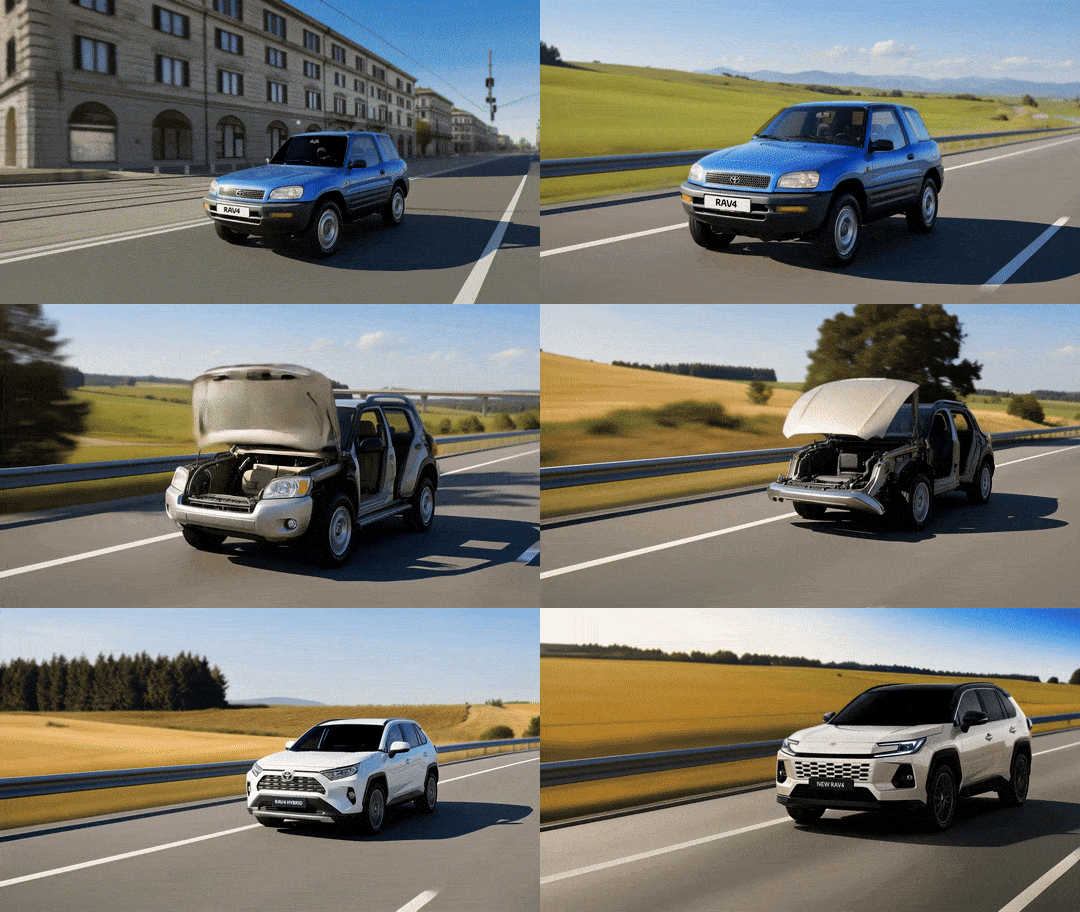
Toyota RAV4
Frequently asked questions about automotive 3D animation.
Which files are needed to start?
CAD files or 3D models, technical drawings, material references and information about operation. If no model is available, we assess reconstruction from the references before confirming the scope.
Can I present a vehicle before a physical prototype exists?
Yes. We can start from a documented concept or design data. The product lead must confirm which features are final and which still require review.
Can you show batteries, electric motors and driver assistance systems?
Yes. Sections, exploded views and explanatory sequences can show internal components, energy flows and assistance scenarios. Representations follow the supplied documentation and do not replace engineering validation.
Can the video be used at trade shows and Tech Days?
Yes. We define aspect ratios, resolution, duration, any continuous looping and readability without audio according to the screens and presentation setting.
How much does automotive 3D animation cost?
The main 3D Animation page lists a starting price of €3,000. The quote depends on duration, component complexity, available data, environments, audio, formats and required revisions.
How long does it take and what is delivered?
We agree on the schedule after reviewing materials and the storyboard. The quote specifies video duration, resolution, aspect ratios, audio, any subtitles and review stages; approval times affect delivery.
Let’s talk about your automotive project.
Tell us about the vehicle or component, technology to explain, audience, available files and intended use. Add your preferred date: we will define scenes, formats and approval stages.
Tell us what you want to show.
Describe the project and available materials in your message.